
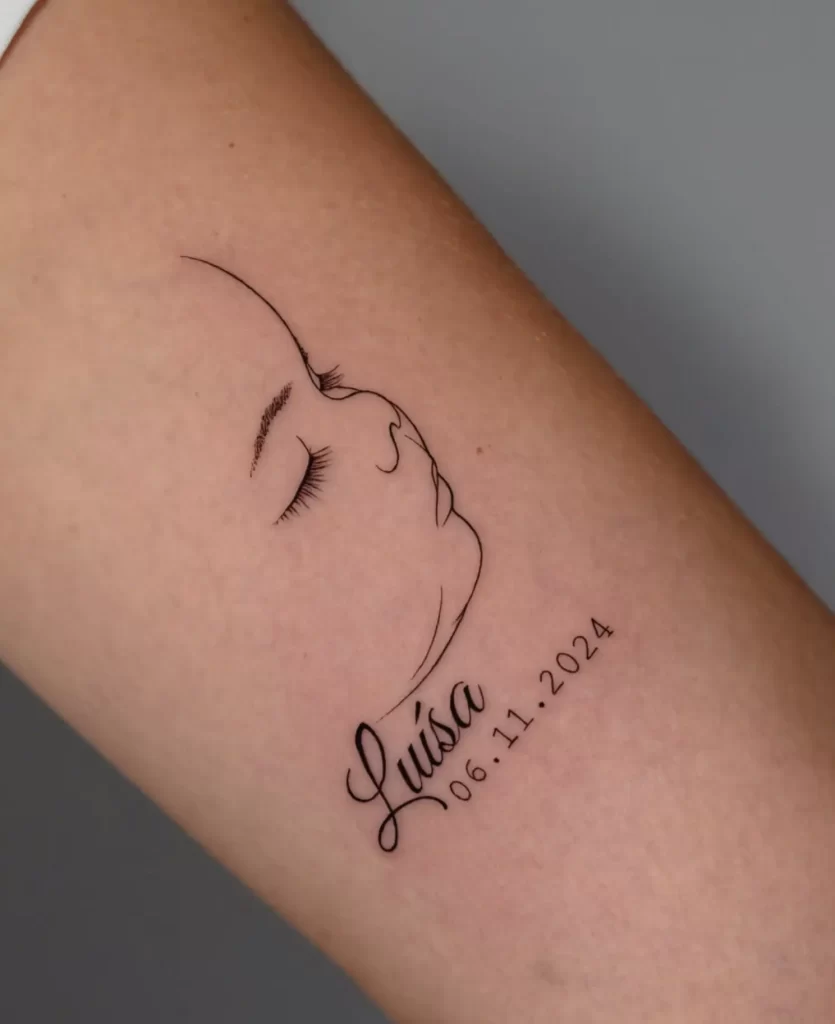
If you’ve ever wondered, “Is this fine-line tattoo course meant for complete beginners to tattooing?” then let me put that question to rest right away: yes, complete beginners are absolutely welcome, and in many cases, they thrive in this style because fine-line tattooing rewards patience, control and a willingness to learn safe, clean technique from the get-go. When students sign up for a fine-line tattoo course, they often discover just how beginner-friendly this niche can be when taught with proper guidance – and a bit of support from the instructor.
I’m Olha Po, founder of Face Figurati here in Melbourne, and after almost a decade working hands-on as a tattoo educator and cosmetic artist, Ive had the chance to train enough students to know exactly what makes a beginner ready to join the tattoo industry.
Contents
- 1 Why New Tattooists Learn Fine-Line Work Easily
- 2 What’s Actually Covered In The Course
- 3 How Beginners Compare To Experienced PMU Artists
- 4 What Melbourne New Artists Should Know
- 5 Real Student Stories From Face Figurati
- 6 Safety, Hygiene & Infection Control – The Basics
- 7 When Can Beginners Start Tattooing Clients?
- 8 Final Thoughts — And A Melbourne Nudge
- 9 FAQ
Why New Tattooists Learn Fine-Line Work Easily
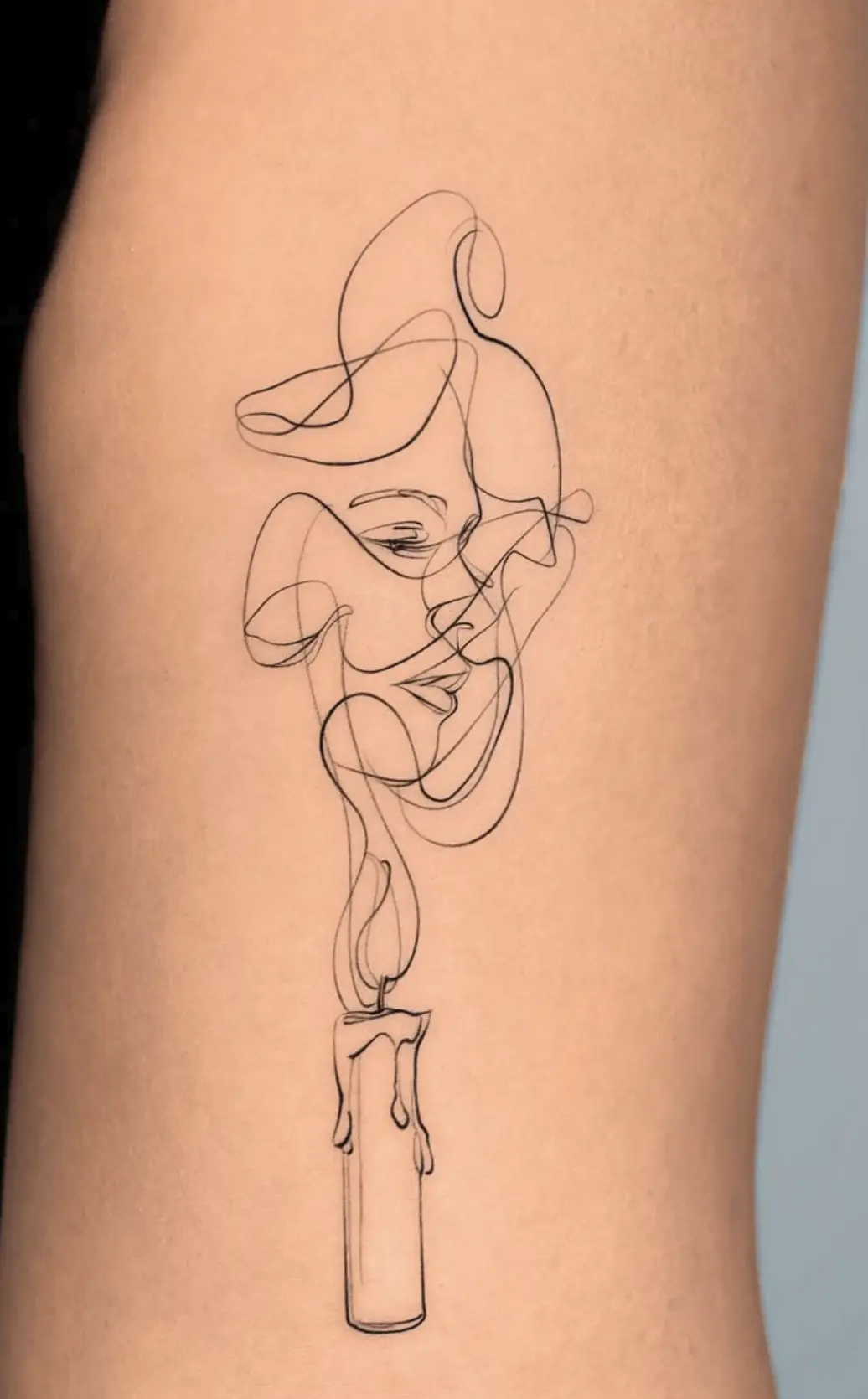
First time stepping into a tattoo course can be a bit daunting, I get that – everyone looks like they know what they’re doing, and you’re still figuring out all the ins and outs. But fine-line tattooing makes it easier because it’s all about precision and needle control – not heavy shading. With fine line tattoo in Melbourne being so popular, beginners can quickly see what a big demand there is for delicate, meaningful micro-tattoos.
Fine-line work also uses lighter machine settings, special thin-needles and skin-safe pigment designed for clean, refined work. That in itself can be really comforting for beginners because it gives them room to build confidence while learning all about proper hygiene and how fine lines heal.
What’s Actually Covered In The Course
Whether you’ve never even touched a tattoo machine before or you’re switching over from permanent makeup, we’ve got a solid training manual and a structured curriculum to help you develop safe, good habits from day one. That’s why so many new artists are actually comparing different fine line tattoo courses to find the right fit for them.
Here’s what we teach at Face Figurati – all beginner-friendly, and all aligned with the industry standards for professional tattooing.
The Core Skills You’ll Be Learning
- Getting to grips with your machine and tuning it properly
- How skin works and how it heals
- All about tattoo ink – the chemistry of it
- Keeping things clean and infection-free
- Digital design and making stencils
- How to do client consultations and be good with your customers
- Getting hands-on practice with synthetic skin, pig skin and real models
These solid techniques will make sure your experience in a fine line tattoo course is as safe and as much fun as possible.
How Beginners Compare To Experienced PMU Artists
In every fine-line tattooing group we run, we usually see a couple of types of learners: complete beginners and permanent makeup artists who want to move into body art tattooing. Both do really well in their own way, but it’s interesting to note that a structured fine-line tattoo course helps level the playing field by giving everyone the same solid understanding of machine technique, depth control and skin behaviour.
How Students Typically Progress
| Student Type | Comfort Level | Strengths | Challenges |
|---|---|---|---|
| Beginners | Nervous but eager | Highly teachable | Learning machine control |
| PMU Artists | Machine confident | Strong depth control | Adjusting pressure |
Even PMU artists need guidance when shifting from facial skin to body skin, but high-quality training smooths that transition.
What Melbourne New Artists Should Know
Fine-line tattooing is huge in Melbourne right now – but not just the occasional botanical piece – we’re talking about a whole movement of tiny, intricate designs and symbolic geometric patterns. & if you’re thinking of building a career locally, learning about fine line tattooing the hands-on way will give you a real edge in understanding the local market. What that means is getting a feel for the way our skin types work and what our clients expect from a tattoo artist.
And because Melbourne weather is basically a crapshoot – you know, four seasons in one day – your tattoos are going to heal differently depending on how much sweat and sun exposure they get. That’s a big part of what we cover in our training.
Real Student Stories From Face Figurati
Case 1: The First-Time Gun For Hire
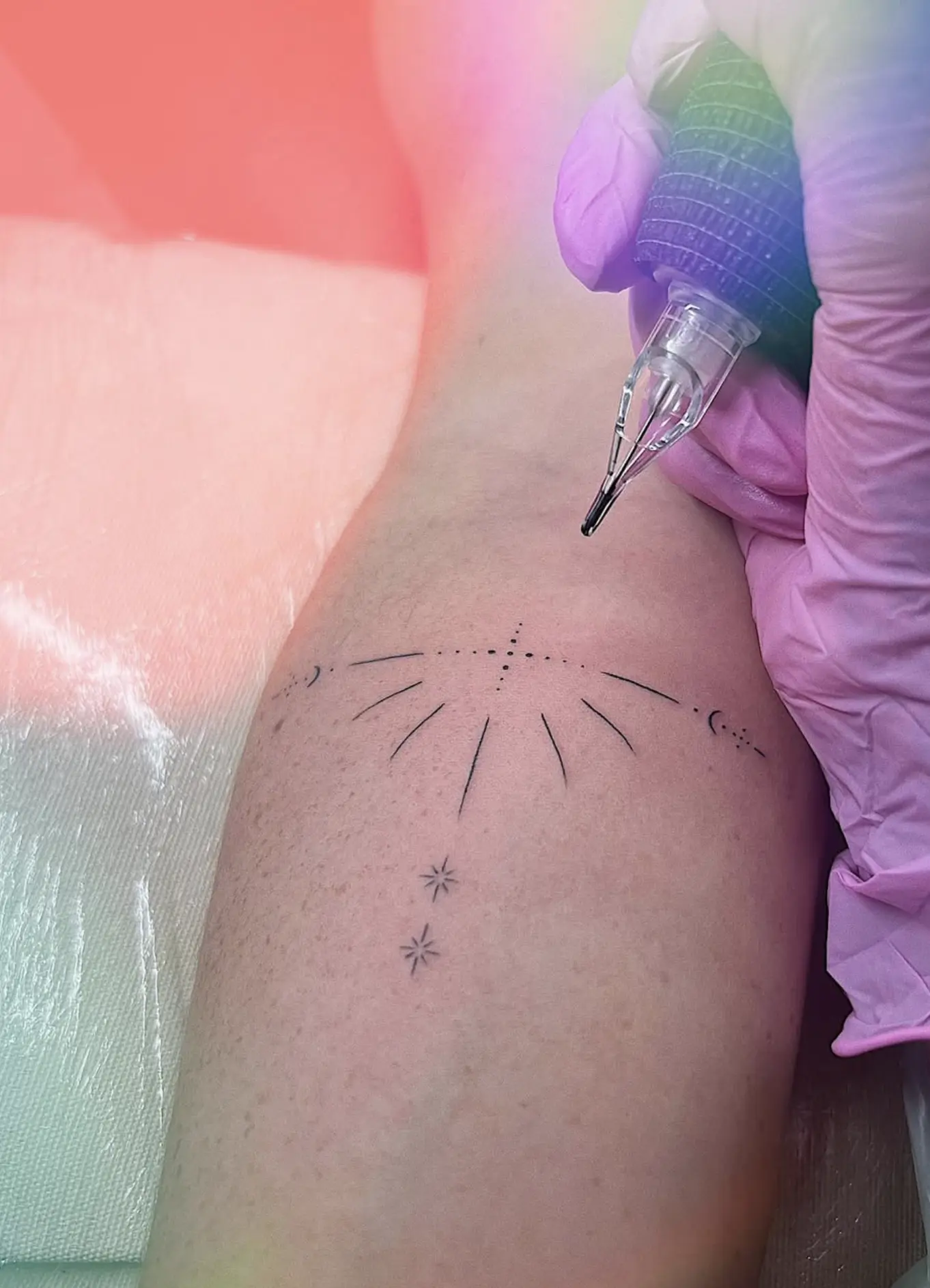
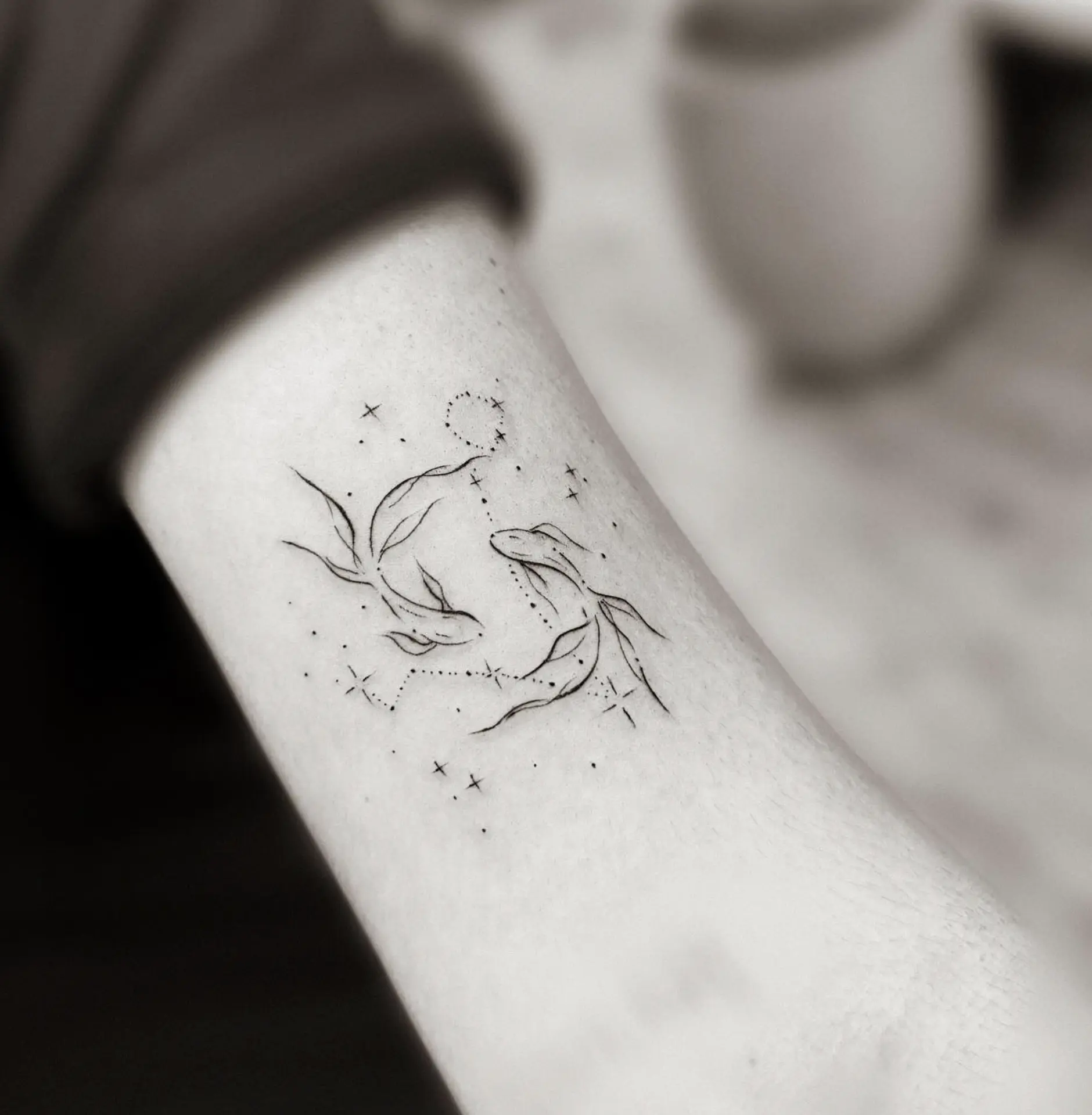
We had one student from Fitzroy join us with zero experience and a borrowed tattoo kit, just to see if she could cut it. She’d practised on some synthetic skin and learned a bit about how needles work, and it wasn’t long before she was doing her first supervised tattoo – a tiny, spot-on constellation. She said she chose our course because she was looking for a fine-line tattoo course that actually taught you on real people, rather than just juggling online modules.
Case 2: The PMU Pro Looking For A New Trick
Another student, already established in PMU, wanted to take her skills to the next level and learn more about how to wield a tattoo machine the right way. She said she’d looked around at different fine line tattoo courses and realised just how important hands-on guidance is when you’re trying to move from brows and lips to arms and ribs.
Case 3: The Artist Who Found Her Niche
Some students come to us with no idea what kind of art they want to do, but when they leave, they’re hooked on botanical linework and geometric micro designs.
Safety, Hygiene & Infection Control – The Basics
Remember, tattooing is a regulated skin penetration procedure in Victoria, which means we have to be super strict about hygiene protocols. That includes handling sharps, infection control, sterile setup, pigment safety and waste disposal.
A good fine line tattoo course will never leave you in the dark on any of this – we make sure safety is baked in from the get-go.
When Can Beginners Start Tattooing Clients?
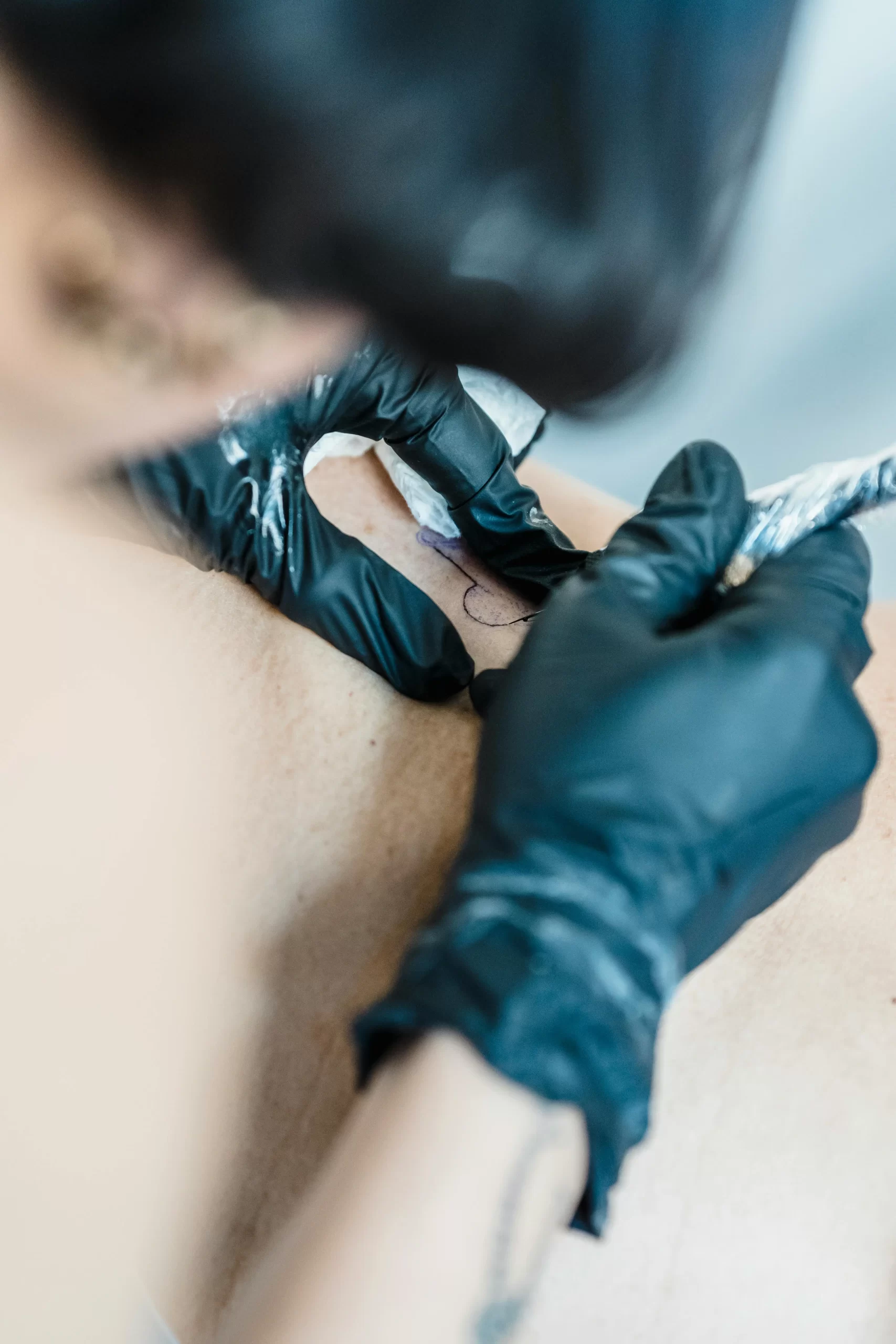
With a bit of guidance, our beginners can start tattooing real people within the course itself. It usually goes something like this:
- We get the theory and machine basics sorted out
- Some practice on synthetic skin
- Some more practice on pig skin
- Some supervised practice on a real person
- Put together a portfolio
Students who stick with it generally feel ready to start taking clients in 4-8 weeks, especially if they get good mentorship in their fine-line tattoo course.
Final Thoughts — And A Melbourne Nudge
If you’re still wondering if this course is the right place to start, listen up: you really can begin right here, right now, and with the right training, build a real tattoo career. A well-structured, hands-on fine line tattoo course will give you the skills, safety know-how, and confidence to jump into tattooing with conviction.
And if you want to learn from someone who’s built relationships with their clients and taught countless new artists from the ground up, Face Figurati will give you a warm welcome – and a healthy dose of practice skins to get started with.
FAQ
Do I need to be a whiz at drawing?
Nope – drawing is a help, but tattooing is a whole different ball game that you can learn with the right training and practice.
What sort of kit do I need to get started?
You’ll need a rotary machine that’s beginner-friendly, a few single needles, some transfer paper, and a small stash of pigments that are safe on skin.
How bad is it going to hurt?
Most clients say fine line tattoos are more like a mild to moderate pinch – it’s all about the lighter technique.
How long till I feel like a pro?
With regular practice on synthetic skin and proper fine line tattoo training, most people see a huge improvement within a few weeks.
Is Melbourne a decent spot for new fine line tattoo artists?
Absolutely – there’s a ton of demand for script, symbols and micro designs – especially amongst locals.