
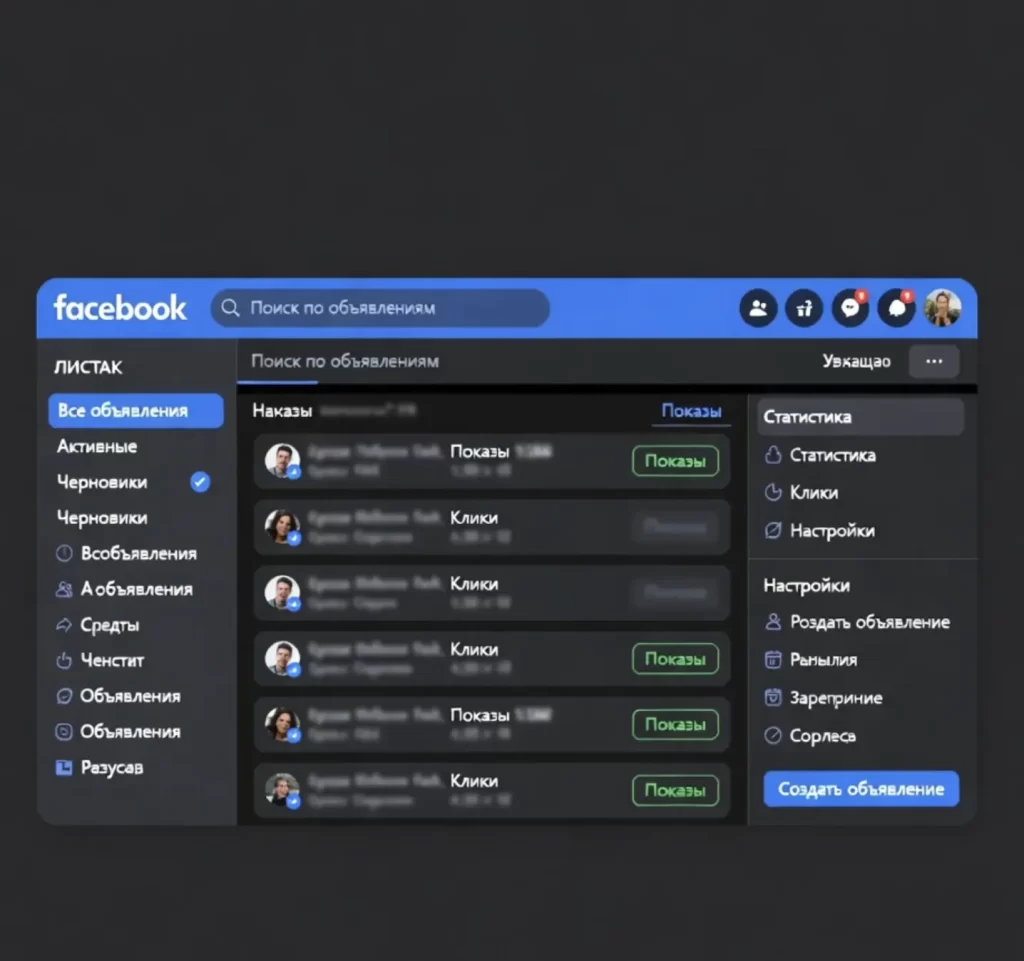
How to set up Facebook ads for your restaurant lays the groundwork for a rock-solid acquisition system that not only helps build a strong online presence but also captures demand across all the major social media platforms and drives in real revenue through online orders. At Karma Media, we don’t just architect restaurant growth systems – we focus on what really matters. We’re about commercial sense, about getting results, and about making sure that our clients are getting a return on investment that they can really see – not just some fancy numbers that might look good on a spreadsheet but aren’t actually moving the needle.
Restaurants these days can’t just rely on having a Facebook business page. They need a proper strategic engine that can turn local foodies into paying customers by optimising online ordering systems, reservation tools, and delivery options across all devices.
Contents
Campaign Architecture
A restaurant campaign needs to be put together with care. You need top-of-funnel visibility, mid-funnel engagement, and bottom-of-funnel conversions working together to avoid wasting your budget and give yourself a serious competitive edge.
Breakdown of Our Framework
Our TOF layer is all about local discovery – that’s where you introduce your venue to new people through visual creative on all the different social media platforms. You’ll be using your profile picture, cover photo and static image ads to make a good first impression. And that’s where you’ll showcase your seasonal menus, special events, and any other culinary experiences likely to attract your target audience.
The MOF layer is where you nurture users who have already shown some interest in your business – people who have looked at your business page, visited your website or interacted with your online ordering system or booking options. Now that they’re already showing interest, you can start personalising the ad experience and make it much more action-driven.
The BOF layer is where you turn all that interest into real revenue – and that’s where our experience with Facebook Pixel, CAPI and conversion tracking really comes in handy. This is where you push people to take immediate action – whether that’s booking a table, placing an order or looking for out more information. And for restaurants in competitive areas, this is often where you see the biggest impact from optimising your Facebook ads.
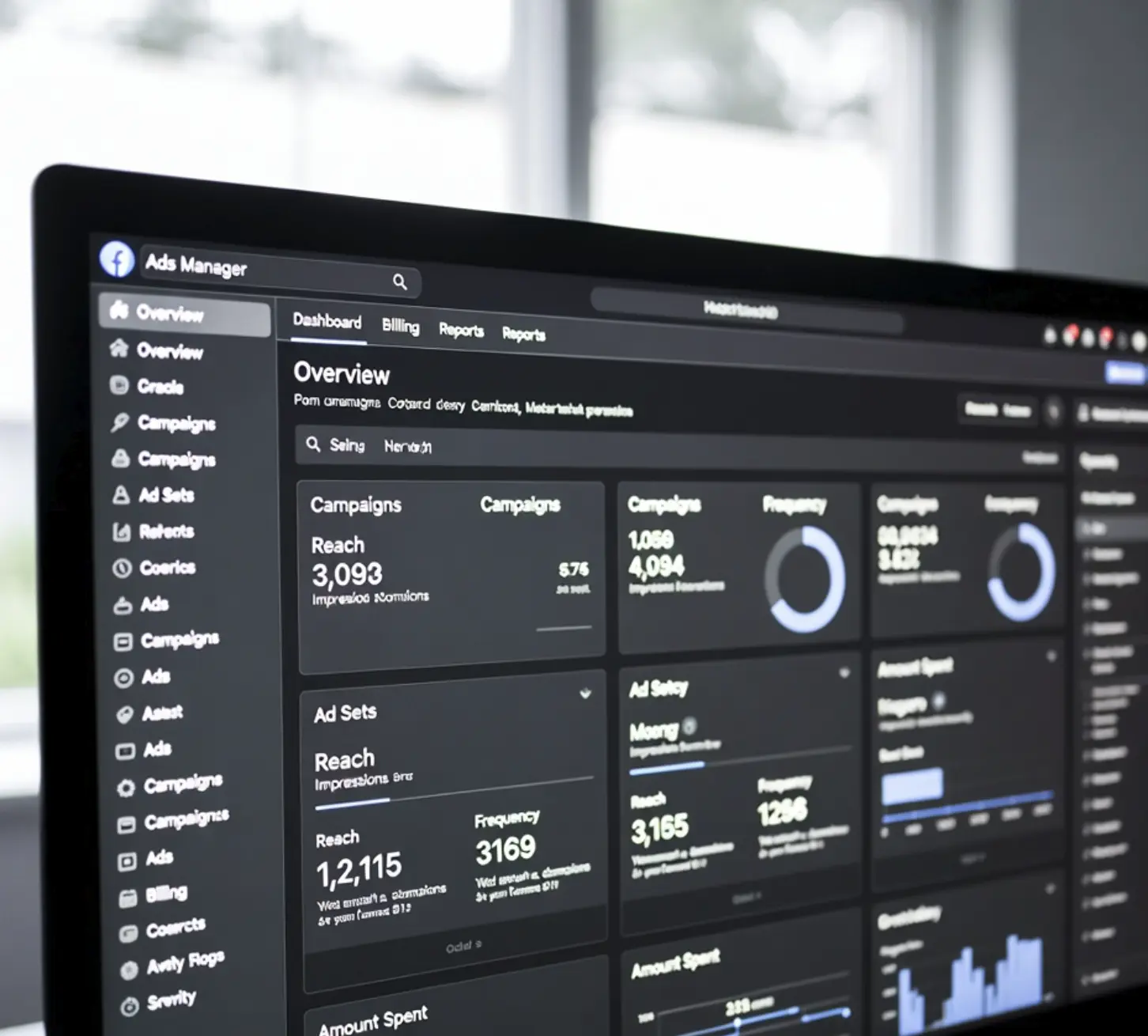
Execution Logic
You need to structure your campaigns as a TOF, a MOF, and a BOF sequence, and each one should have its own objective, targeting, and creative approach. And don’t even get me started on the importance of a strong call to action – ‘book now‘, ‘order now‘ or ‘check out our special menus‘ – you need to be telling people what you want them to do.
At Karma Media, we put these frameworks into action for all our restaurant clients, ensuring they get the return on ad spend they need to grow their business.
Margin and ROAS Logic
Profitability really comes down to ensuring your cost per acquisition is below your average order value. And when you’re getting your BOF campaigns to convert efficiently, and you’re building customer loyalty through repeat visits, that’s when you know you’re really on to a winner. You’ll have the margin protection you need to scale your business.
Funnel Engineering
To get customers to part with their cash, the funnel needs to make that process as straightforward as possible – and what’s simpler than a dining experience?
Framework Breakdown
For a high-performing funnel, it all starts with an ad that points users in the direction of a super clear, high-value offer page with the goods – you know, menu previews, opening hours, catering options and whatnot. The message needs to be easy to read – ideally, all the key actions, such as online ordering or reservations, should be slap bang at the top of the page.
The way the system works from there is also pretty crucial. The food order system, auto-responder chat bots and booking widgets need to be silky smooth on mobile – restaurants that get this part right tend to outperform the ones with a convoluted user experience.
The final stage of the funnel is all about nurturing customer loyalty – that means adding some decent content to the website to entice customers back, running loyalty incentives, automating emails and getting people involved with social media contests. All of these help build customer loyalty and increase the average spend per diner.
Performance Interpretation
Looking at clickthrough rates, menu-view-to-order ratios and booking completion rates is a good way to spot where the friction is. We’ve seen with restaurants in Sydney using Facebook ads that even a tiny tweak, like moving a CTA button around, can make a pretty big difference in social media marketing, and that decisions should be based on conversion rates.
Creative Testing Systems
The creative assets we use in advertising are a key driver of performance – and that’s true especially in the restaurant space.
Framework Breakdown
The goal here is to showcase the food – that means highlighting some of your signature dishes, seasonal menus, behind-the-scenes prep work, catering options and any special events you might be hosting. Authenticity goes a long way – content creators and chefs can capture some amazing moments that really outperform glossy branding collateral.
We use different types of ads for different purposes – static images, carousel ads, short vids and even lead ads that capture catering enquiries or bookings. It’s the diversity of creative angles that really works for Facebook ads marketing in Sydney, rather than trying to find one “best” format.
Execution Strategy
To avoid ad fatigue, creatives need to be refreshed every ten to fourteen days. The focus for testing should be on message angle, visual presentation and emotional appeal – and what tends to do well is showcasing your culinary experience or highlighting what makes your venue stand out.
Attribution & Data Accuracy
A lot of restaurants underestimate just how much revenue comes in indirectly from social media marketing, and making decisions based on incomplete data can be a real problem.
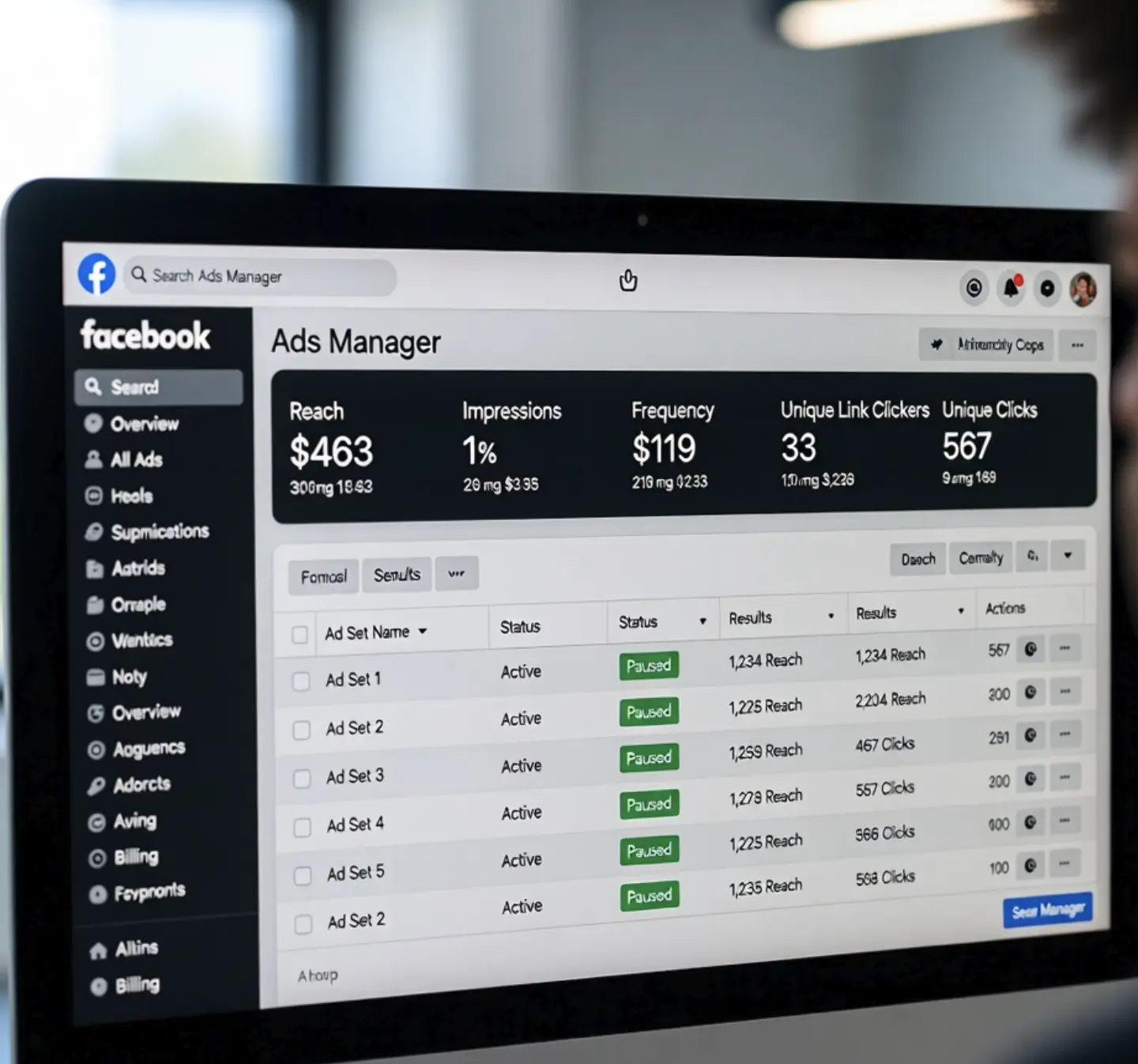
Framework Breakdown
Facebook Pixel and CAPI are essential for getting accurate data flowing from your website through to your online ordering system and the Meta ad platform. Analytics tools and UTM tagging help you compare online orders to real-world POS data – and that’s essential for measuring reservation system completions, delivery area conversions and catering enquiries.
Execution Strategy
Every restaurant should be tracking not just online orders, but also booking confirmations, walk-ins generated by campaigns and phone reservations triggered by ads. We also recommend tracking correlated analytics insights with POS outcomes to get a more complete picture – and doing some incrementality testing to gauge the real revenue impact of your ad spend.
Budget Allocation Frameworks
A budget is all about creating the room for your business to grow. The goal here is to allocate your spend in a way that strengthens every single layer of your funnel, without putting your business at risk of getting in over its head with acquisition costs.
Framework Breakdown
Most budget allocations put the bulk of spend up front, at the top of the funnel, to maintain a steady stream of new users. Then, increase the. You’ll set aside smaller portions for the middle and bottom of the funnel as retargeting audiences start to grow. But before you set your budgets, you need to consider some real-world factors that will get in the way of growth – delivery areas, seating capacity, operational hours, and what customers are really willing to spend.
Execution Strategy
As your performance stabilises, you should gradually increaseandyour budgets. Restaurants that stick to a disciplined budget framework tend to outperform those that just react to the moment. At the end of the day, Facebook ads marketing in Sydney has shown us that being systematic about your spending is key to getting more predictable revenue outcomes.
Scaling Without Margin Erosion
Scaling without losing your shirt on every meal is a delicate balancing act. If you go too fast, the cost per thousand (CPM) will go up, bottom-of-the-funnel, and your conversion rates will actually get weaker.
Framework Breakdown
The restaurants that scale effectively are the ones that keep their frequency under control, regularly update their ad creative, and ensure their bottom-of-the-funnel campaigns continue to deliverkeep your cost per acquisition (CPA) big numbers. Don’t get too greedy and expand to new locations too quickly – you’ll just make yourself unprofitable.
Execution Strategy
When scaling, you should be going up in measured increments, rather than spiking your spend and hoping for the best. For creative assets, that means constantly introducing fresh new ideas – think updated seasonal menus, special events, or refreshed photos. And make sure you’re keeping a close eye on daily campaign performance to keep your cost per acquisition (CPA) within bounds.
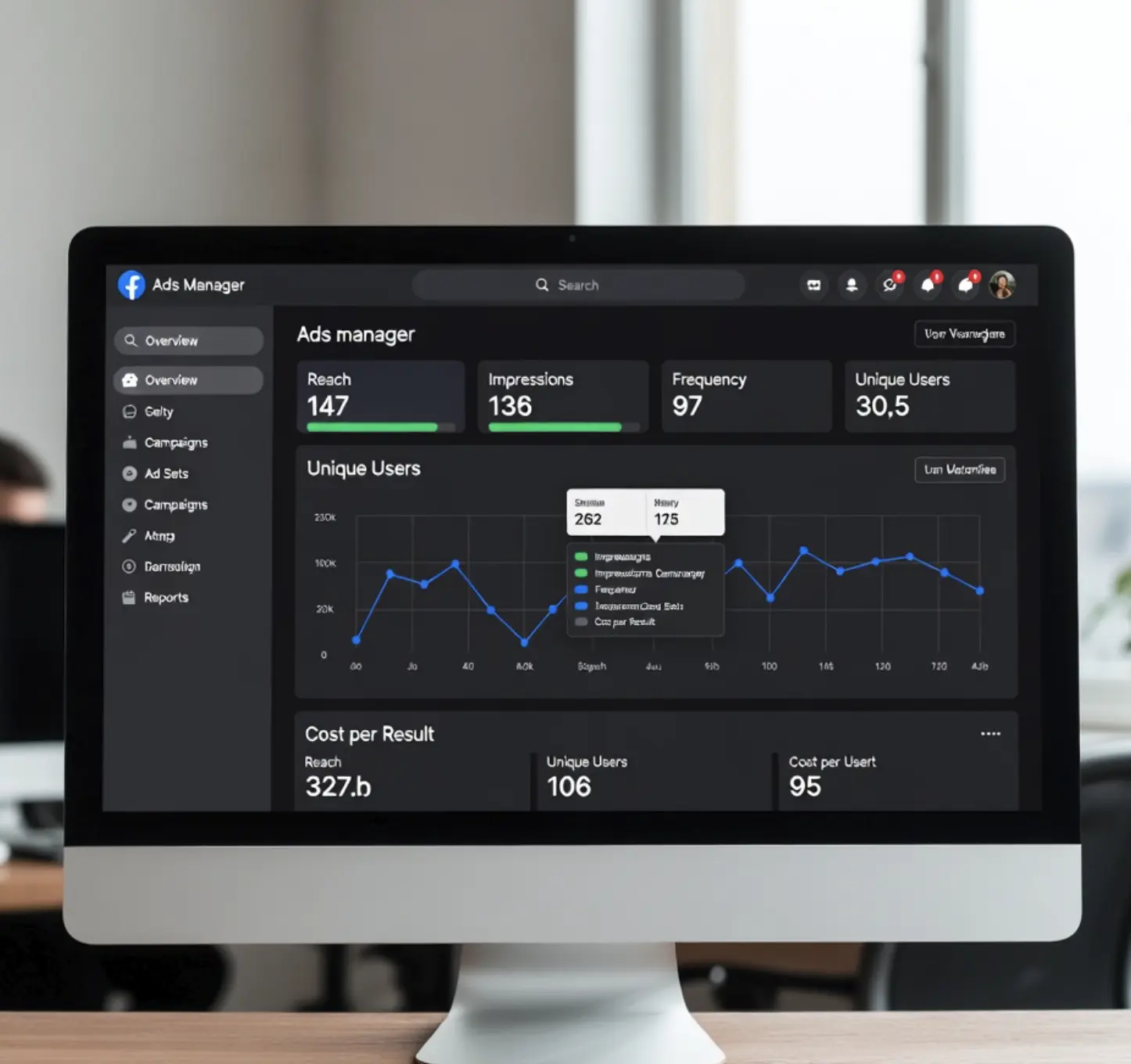
Platform-Specific Strategy (Meta / Google)
Restaurants need a little bit of everything to grow their customer base, and that means finding a way to combine the strengths of both social media and search platform ads.
Framework Breakdown
Meta’s got reach, local discovery, and engagement locked down. Google, on the other hand, can help you capture immediate intent when people search for nearby dining options, online ordering, or catering services.
Karma Media has put this all together, and it produces a seriously strong revenue system.
Execution Strategy
What Meta does is warm up the audience, and what Google does is close the deal. When you put the two together in a single platform strategy – like we’ve done for restaurants in Sydney with Facebook ads marketing, for example – you end up with a winner.
LTV & Backend Monetisation
Your lifetime value will be the key to your long-term profitability.
Framework Breakdown
To boost LTV, you need to keep delivering loyalty sequences, email retargeting, SMS reminders, and exclusive promotions tied to seasonal menus or special events. Then there are customer loyalty programs and digital rewards systems that can turn that first-time customer into a repeat diner.
Execution Strategy
What you want to do as soon as a customer has made an online order or reservation is activate some sort of post-visit automation that says, “Hey, here’s a deal for you to come back soon“, or invites them to some sort of contest or promotion. It’s that kind of engagement that really builds customer loyalty and keeps them coming back for more.
Comparison Table: Meta vs Google
| Platform | Strengths | Weaknesses | Ideal Use Case |
|---|---|---|---|
| Meta Ads | Visual appeal, strong retargeting, awareness, and local discovery | Lower user intent | Seasonal menus, funnel warming, launch strategy |
| Google Ads | High intent, strong attribution, direct bookings | Higher cost per click | Online ordering, bookings, and catering searches |
Final Strategic Takeaway
When it comes to restaurants running Meta campaigns effectively, they can rely on these campaigns to bring in bookings, online orders, and event enquiries on a regular basis. Here at Karma Media, we’re all about tuning in to what really drives commercial success – we’re talking attribution accuracy, funnel sequencing, getting the most out of your creative testing and LTV growth – the secret sauce that turns ads into genuine profit. Facebook ad marketing in Sydney has proven time and time again that it’s strategy over guesswork that brings the goods in the hospitality world.
FAQ
Do Facebook ads still work for restaurants?
Yep – especially when you team them up with a solid funnel system, an online ordering system that’s firing on all cylinders, and some seriously compelling creative that gets local foodies buzzing.
What kind of creative does the trick?
You know, that stuff that’s got some real flair to it – dishes on the move, carousel ad format menus that look like they were plucked straight from a cookbook, chef prep clips, and some event promotions that really get people excited. Anything less is just not gonna cut it.
How do I bring that cost per click back down?
Tighten up your ad targeting, make those visuals pop and get your messaging aligned with where you’re located. That’s a good starting point.
Should I be pushing booking options or online orders?
To be honest, the answer is both – Meta’s pretty good at getting people into both your food order system and reservation system.
How do I get those customers coming back for more?
Well, one way to do it is to hook them with a loyalty program, run some seasonal menu campaigns and keep your social media contest engagement ticking along.