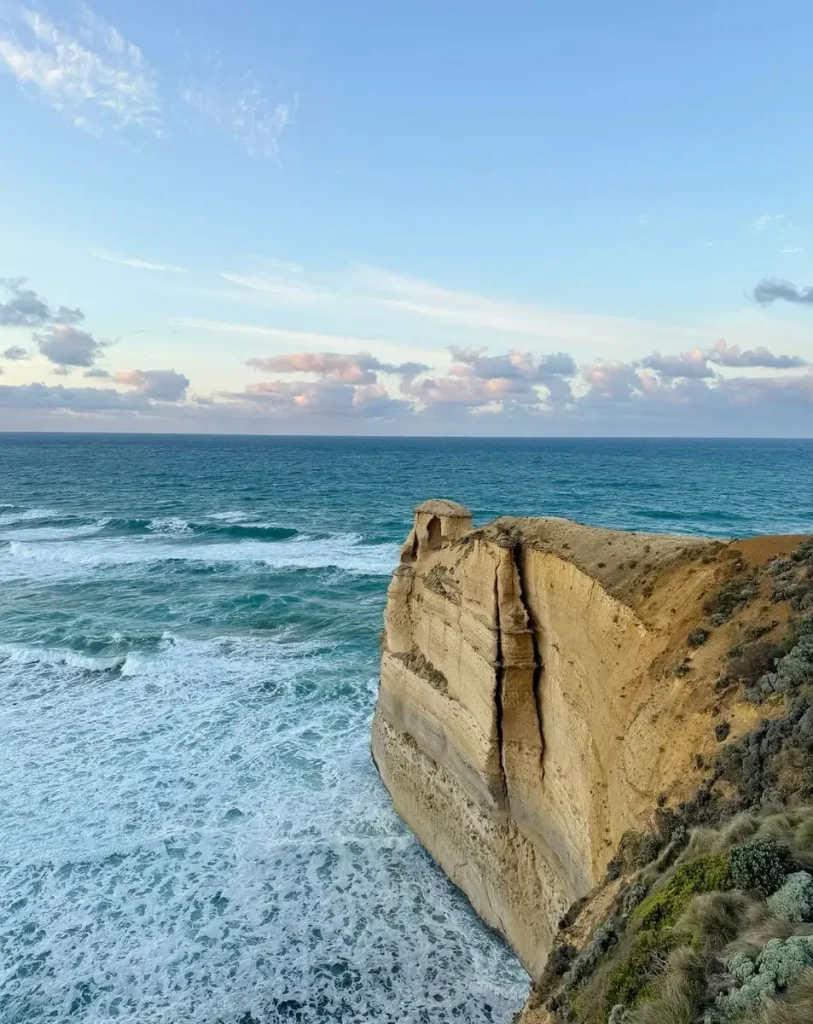

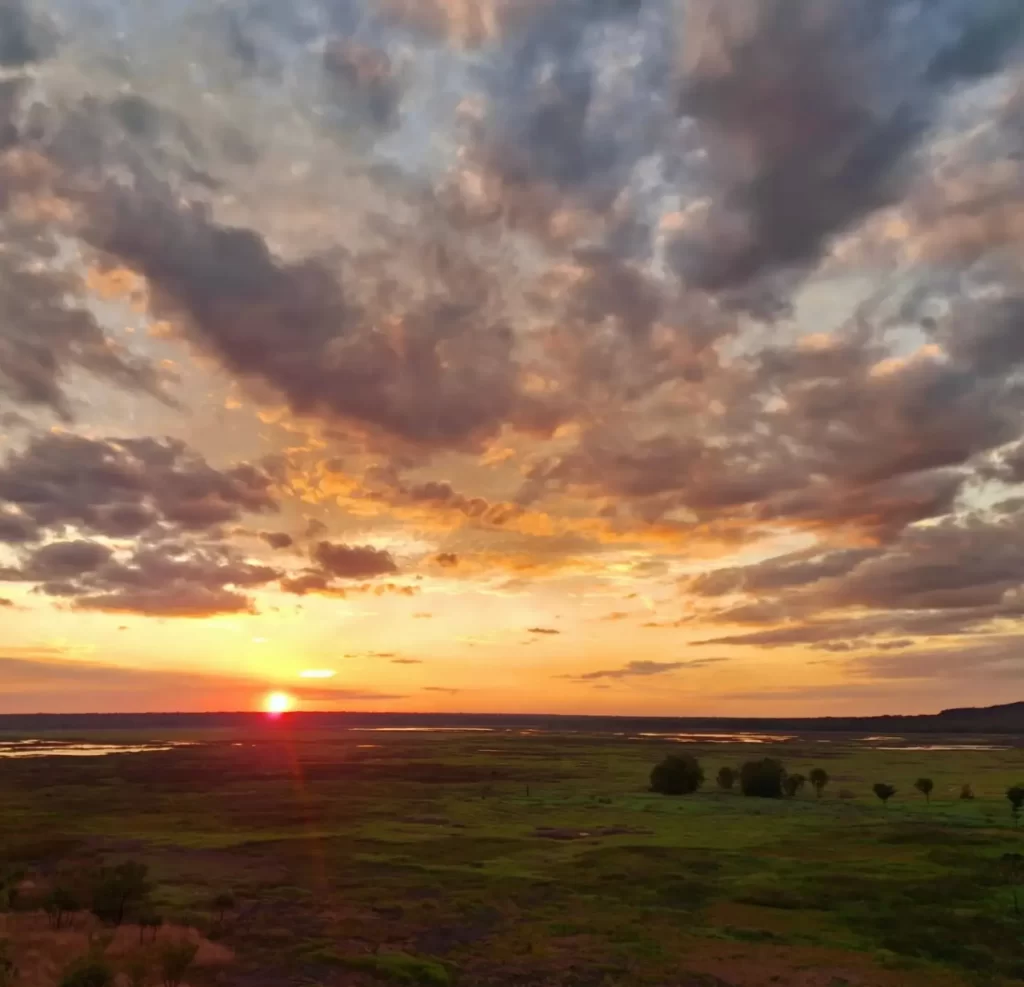
Kakadu National Park, one of Australia’s best natural wonders and a UNESCO World Heritage Site, is under siege from multiple environmental and human factors. This big and diverse park, home to rich Indigenous culture, many ecosystems and stunning landscapes, is under threat and we need to understand what those threats are to save this amazing place.
Contents
Climate Change and Its Effects
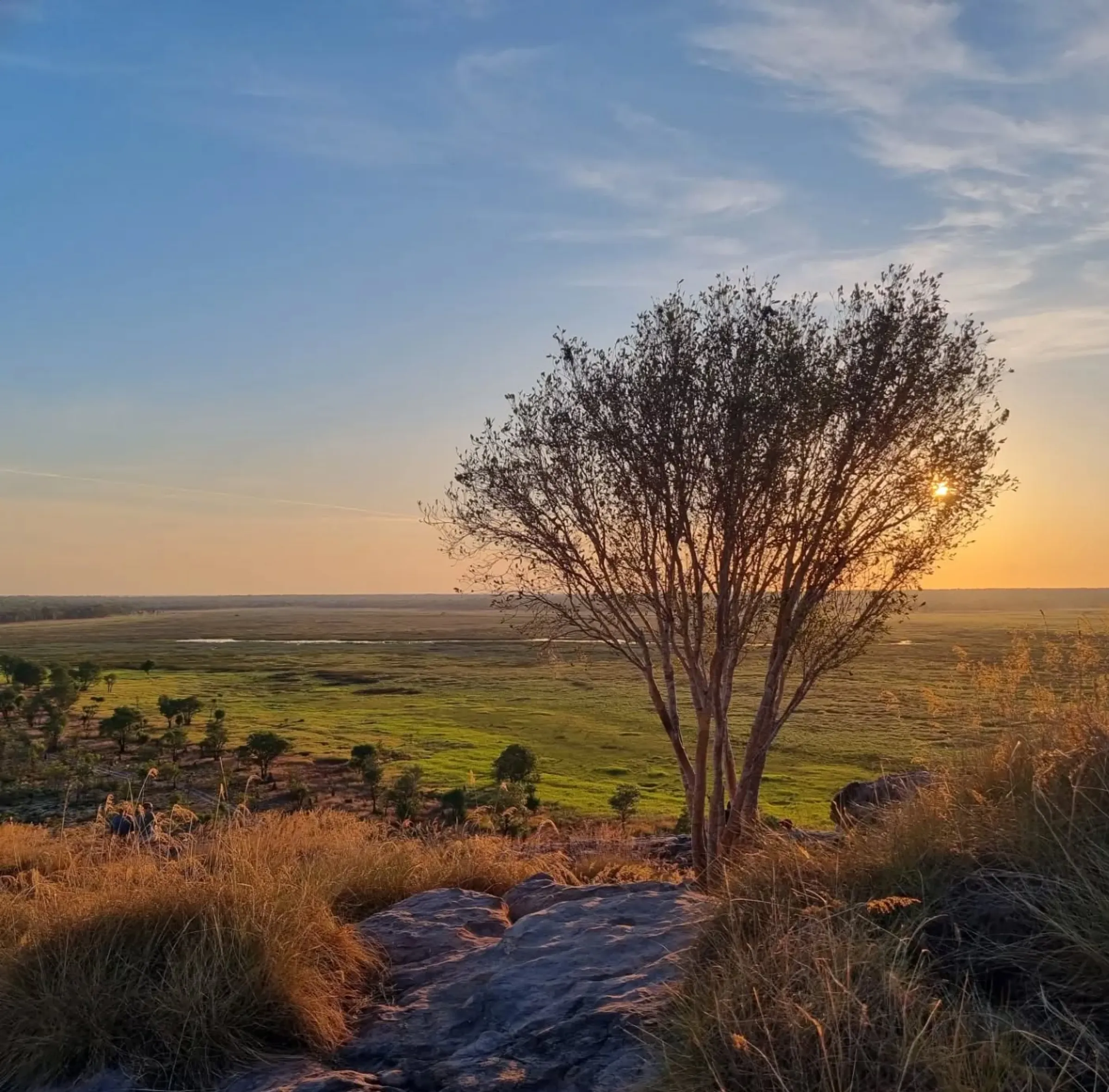
Climate change is the biggest threat to Kakadu National Park. Rising temperatures and changing weather patterns mean longer droughts, more bushfires and more intense storms. These changes disrupt the local ecosystems, impact on wildlife and vegetation. The park’s wetlands, a key part of its biodiversity, are most vulnerable to changes in rainfall patterns and could lose habitat for many species. Climate change means rising sea levels affecting tidal flats, flooding of major rivers like the Mary River and extreme weather events like tropical cyclones that alter the environment.
Invasive Species
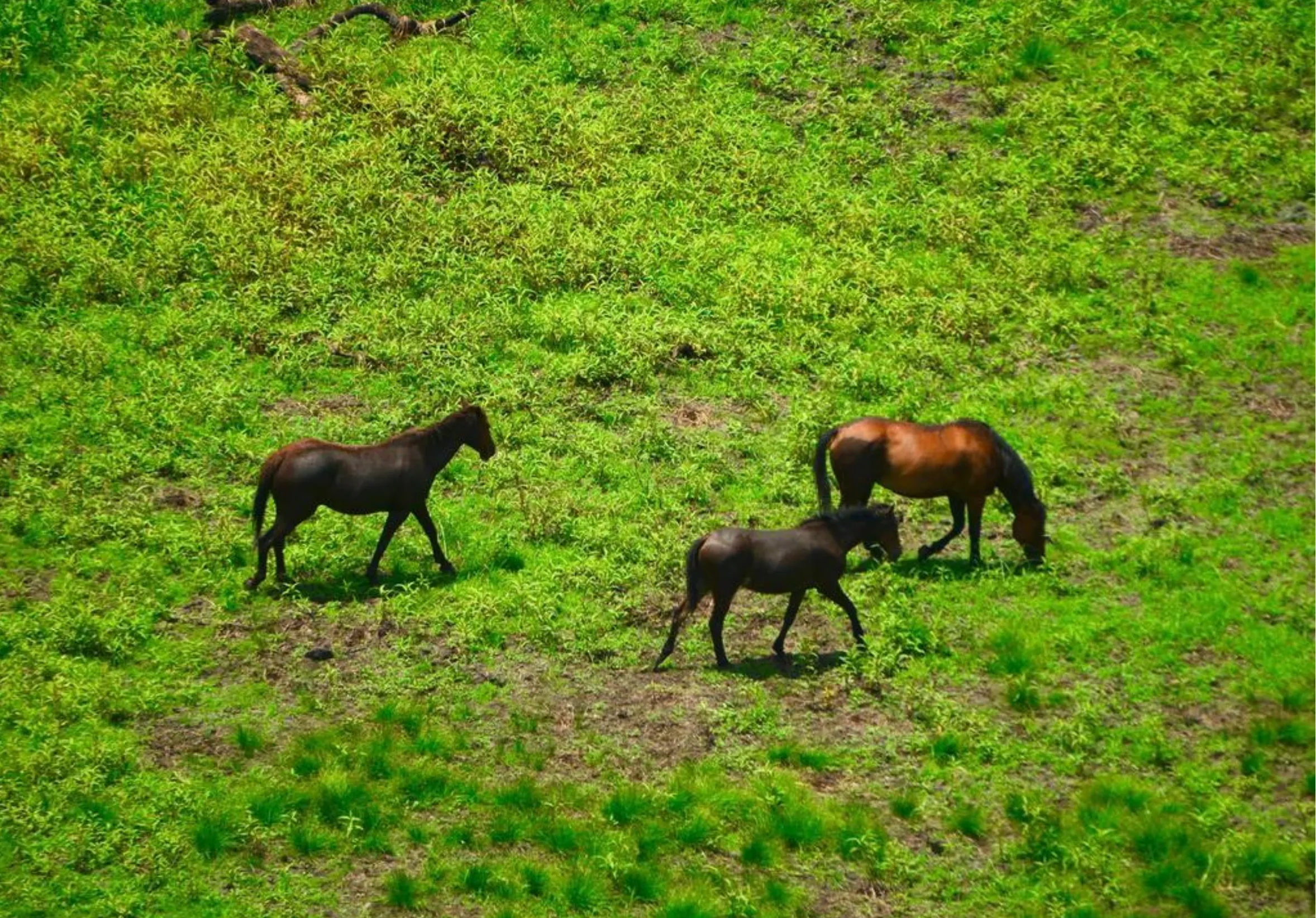
Invasive plant and animal species have had a big impact on Kakadu’s native flora and fauna. Feral animals like water buffalo, pigs and cane toads are destroying habitats, causing soil erosion and competition with native species. Invasive species like the Asian water buffalo have damaged the floodplains and invasive weeds like mimosa and gamba grass are spreading fast and out competing native plants and increasing the intensity of bushfires. Controlling these invasive species is a big challenge for conservation.
Mining and Industry
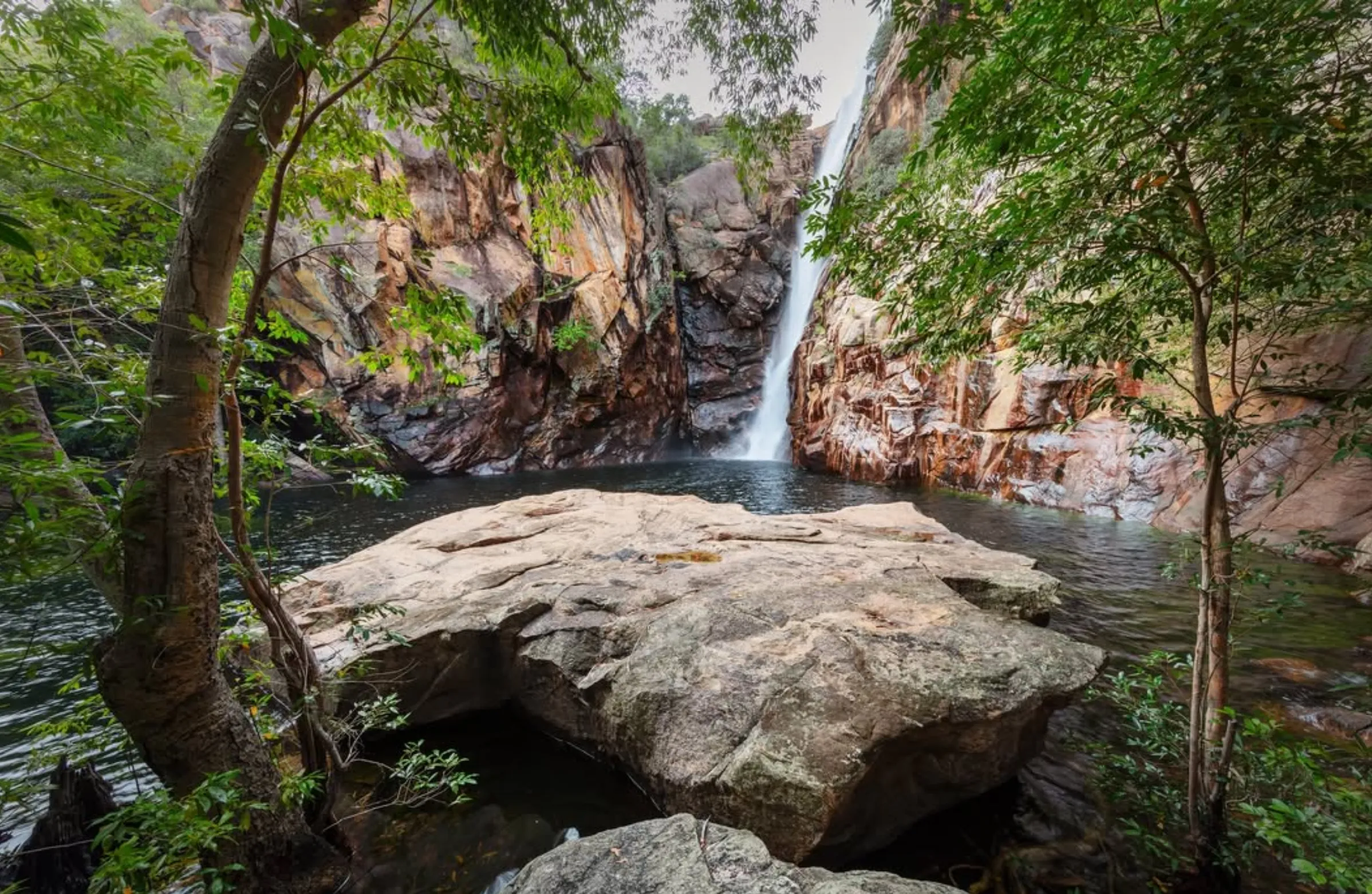
Mining has been a concern around Kakadu for a long time. Although the Ranger Uranium Mine closed in 2021 the ongoing concern is about environmental rehabilitation and contamination. Small scale mining and abandoned uranium mining sites still pose a risk to the park’s freshwater systems, with impacts on freshwater fish and plant species. Industrial activities can pollute river channels, disrupt traditional lands and cause long term ecological damage. Effective management and rehabilitation of mined areas and the policies in the Kakadu National Park Plan of Management are key to protecting the park.
Tourism and Human Impact
Wayoutback Tours, a tour operator in the outback, balances tourism with conservation.
Tourism has economic benefits and raises awareness of conservation but too many visitors can cause environmental damage. Trampling of fragile ecosystems, pollution and disturbance to wildlife are some of the negative impacts of uncontrolled tourism. Popular tourist spots like Gunlom Falls and Yellow Water Wetlands need strict sustainable tourism practices, wet season road closures and responsible visitor behaviour to minimize damage to native wildlife and endemic species.
Cultural and Indigenous Issues
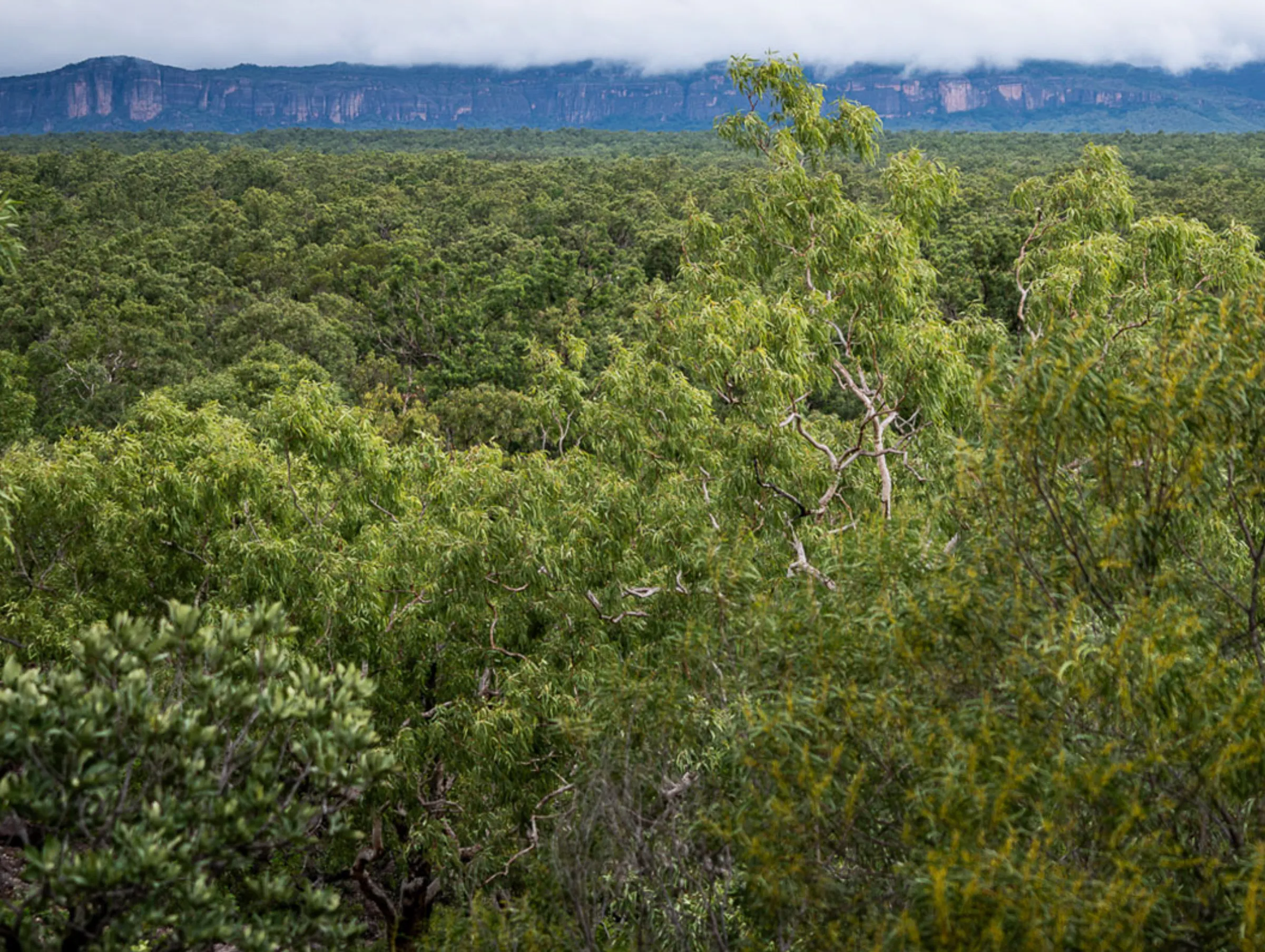
Kakadu is a natural wonder and a cultural landscape and the Bininj/Mungguy people, the Traditional Owners of the land have lived here for thousands of years, managing the land and passing on Aboriginal knowledge. However modern pressures, land rights and the decline of traditional knowledge with changing lifestyles are challenges to maintaining these practices. The Aboriginal rock art, rock carvings, archaeological sites and other cultural heritage are threatened by natural and human activities. Joint management and empowerment of Aboriginal rangers and Aboriginal park rangers is key to preserving Kakadu’s cultural values and natural heritage.
Conservation Efforts and Future Challenges
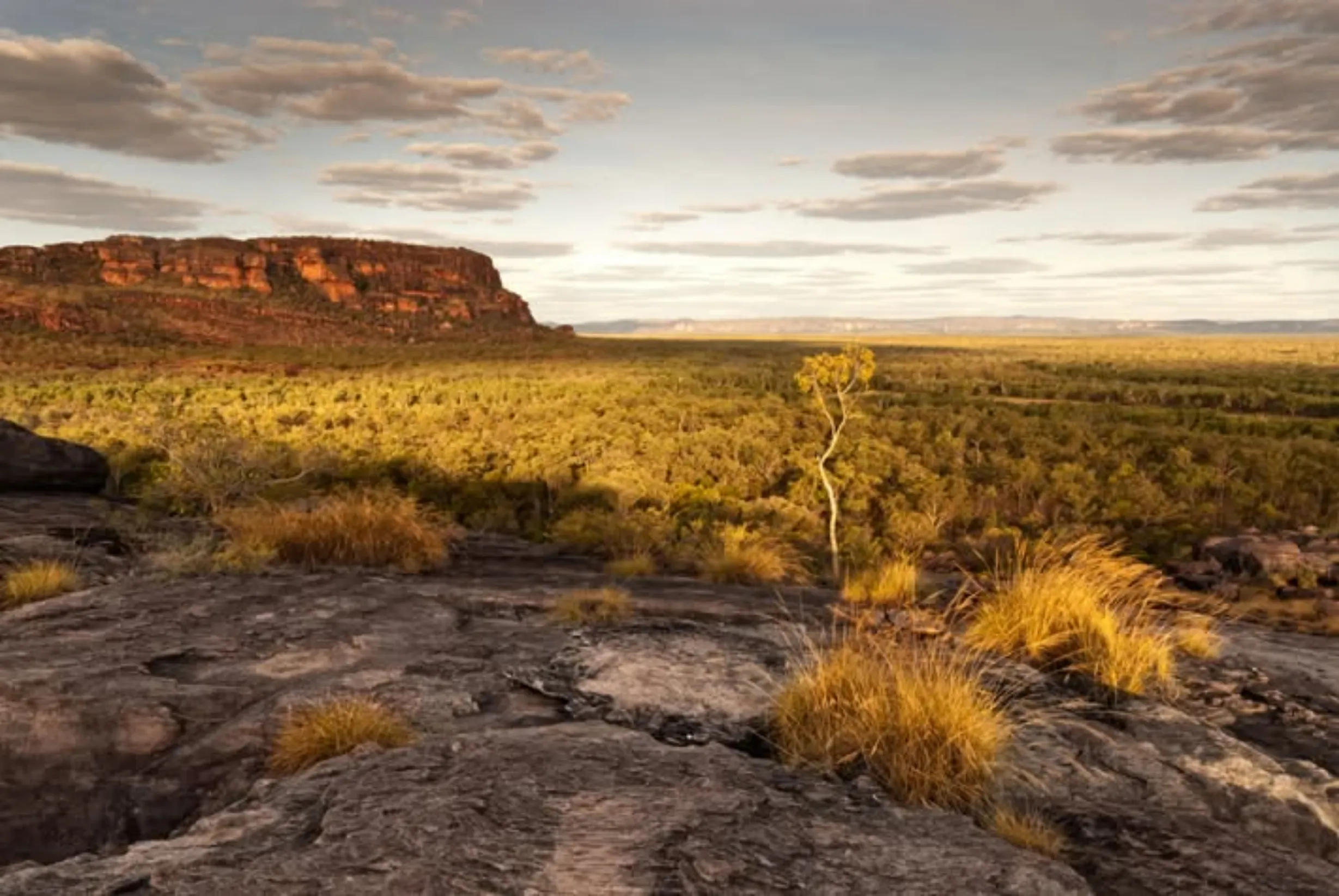
Government agencies, conservation organisations and Indigenous groups are working together to mitigate these threats through conservation programs, controlled burning, invasive species management and community engagement. The Kakadu National Park Plan of Management and Cultural Heritage Strategy outlines management actions and best practice to protect the park’s environmental values. But more funding, policy support and international awareness from the UNESCO World Heritage Committee and Environment Australia is needed to protect Kakadu for future generations.
Conclusion
Kakadu National Park is an irreplaceable part of Australia’s spirit and landscape, but it’s under pressure. Climate change, feral animals, industrial activities, tourism and cultural challenges all impact on its vulnerability. Protecting Kakadu needs a team effort from government, conservationists, Traditional Owners and the global community. By having a strong climate change plan, supporting land managers and preserving cultural knowledge we can keep this incredible landscape, its iconic species and its amazing archaeology for generations to come. Exploring the park responsibly through Kakadu tours from Darwin or a Kakadu tours helps raise awareness and support conservation efforts. Kakadu tours Kakadu day tour, Darwin Tours Kakadu, and Darwin to Kakadu tours offer guided experiences that educate visitors while minimizing environmental impact.
FAQs
Why is Kakadu National Park important?
Kakadu National Park is a UNESCO World Heritage Site for its natural and cultural heritage. It’s home to unique ecosystems, wildlife and Indigenous culture, including Aboriginal rock art and archaeological sites.
What’s the biggest threat to Kakadu National Park?
The park is threatened by climate change, feral animals, industrial activities, tourism and cultural challenges. Rising temperatures, bushfires, mining pollution and habitat destruction are the big concerns.
How does climate change impact Kakadu National Park?
Climate change means rising sea levels, extreme weather events, droughts and habitat loss for many species. It also affects Kakadu’s wetlands and increases the frequency of wildfires threatening native wildlife and plant species.
What role do Indigenous communities play in managing Kakadu?
Indigenous communities, particularly the Bininj/Mungguy people are the Traditional Owners of Kakadu. They work with Parks Australia using traditional knowledge and cultural heritage practices to manage the park’s biodiversity and cultural values.
What can I do to help protect Kakadu National Park?
Visitors can help by following the rules, respecting cultural sites, minimising their impact and supporting sustainable tourism. Responsible behaviour like not littering and staying on paths helps preserve the park’s natural values.