
Talking about timelines is one of the most common questions I hear in the treatment room: How long does it take to improve your skin? It is usually the first thing clients ask when they sit down in front of me at The Facial Hub in Brisbane. I actually really like this question – it helps us cut through all the hype and focus on the fundamental changes that happen when skin cells, the skin’s barrier function and your lifestyle choices all start working together.
Whether we’re talking about managing acne-prone skin, helping dry skin get some moisture back, reducing the appearance of fine lines, or lightening up dark spots caused by sun damage and free radicals, every skin has its own unique rhythm – and I reckon respecting that rhythm is where proper skin health begins.
Let’s look at what influences how long it takes for your skin to improve and how you can support that process without overdoing it.
Contents
- 1 What “Improvement” Really Means
- 2 Depends On the Type of Skin Change
- 3 Skin Improvement Timeline Guide (Average Ranges)
- 4 Treatments and How Quickly They Deliver Results
- 5 When You Need a Professional Facial
- 6 Dermaplaning: A Great Option for Build-up and Fuzz
- 7 Microdermabrasion: Good for Fine Lines & Texture
- 8 Skin Needling: Inducing Collagen & More
- 9 Advanced Skincare Options
- 10 Getting Your Skincare On Track
- 11 Your Environment Matters More Than You Think
- 12 A Holistic Look at Healing Timelines
- 13 How Much Should You Budget for Real Skin Change?
- 14 How I Know Your Skin Will Change
- 15 FAQ
What “Improvement” Really Means
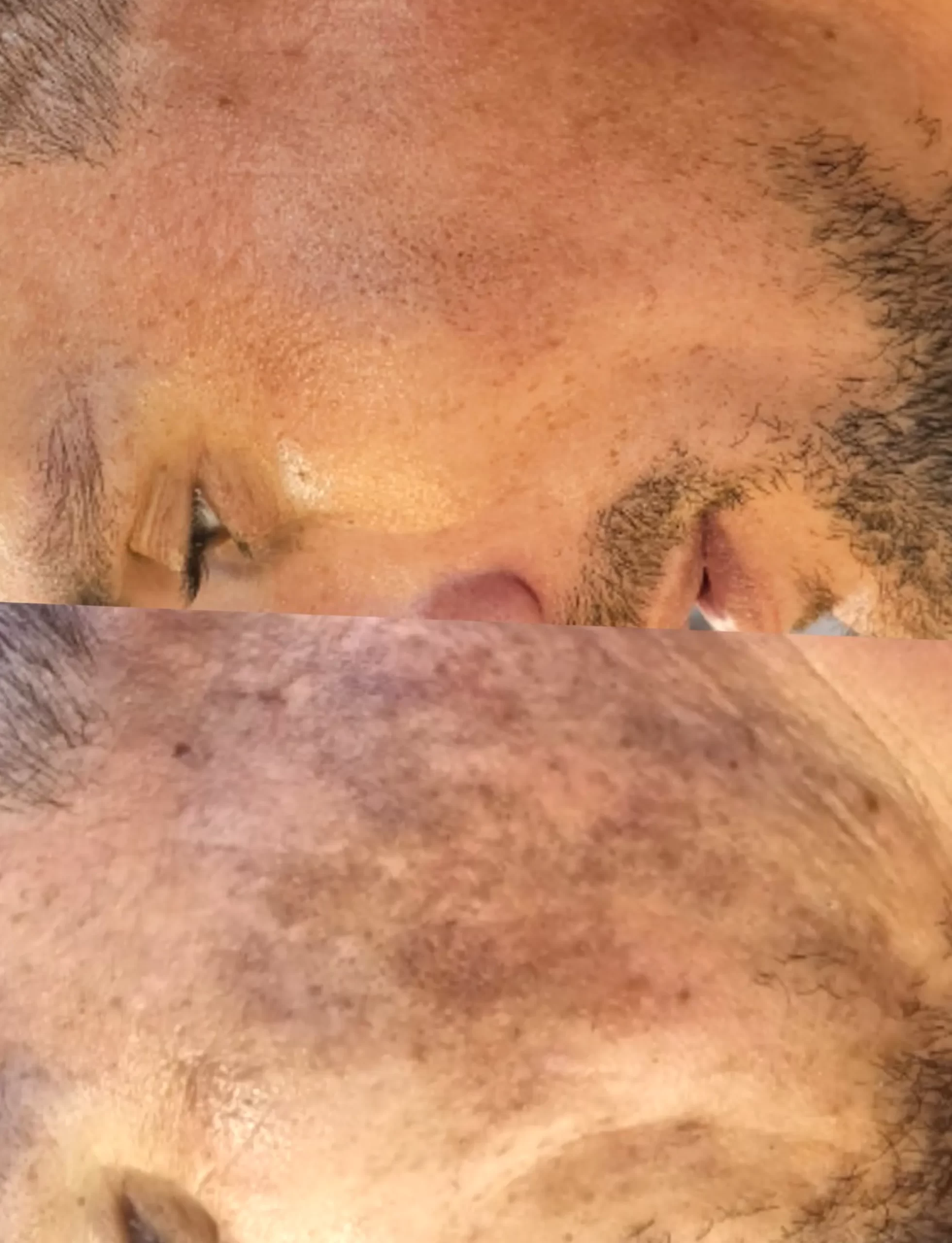
Improvement isn’t just about how good you look – a whole lot is going on underneath the surface, too. Every time you see a skin transformation, more profound changes are occurring: skin cell turnover is accelerating or slowing, collagen is being stimulated, blood vessels are calming, and the inflammation is finally starting to subside after years of irritation and sun damage.
I had a client come in recently who’d been overusing chemical peels and was left with super sensitive skin. The first marker of healing wasn’t some sort of radiant glow – it was just getting comfortable again. Not stinging so much, having fewer flare-ups, hydration levels becoming a bit more stable – and trust me, feeling comfortable is a significant milestone when it comes to skin rejuvenation.
Because everyone loves instant results, many people in Brisbane try dermaplaning as a gentle way to achieve smoother, brighter skin.
Depends On the Type of Skin Change
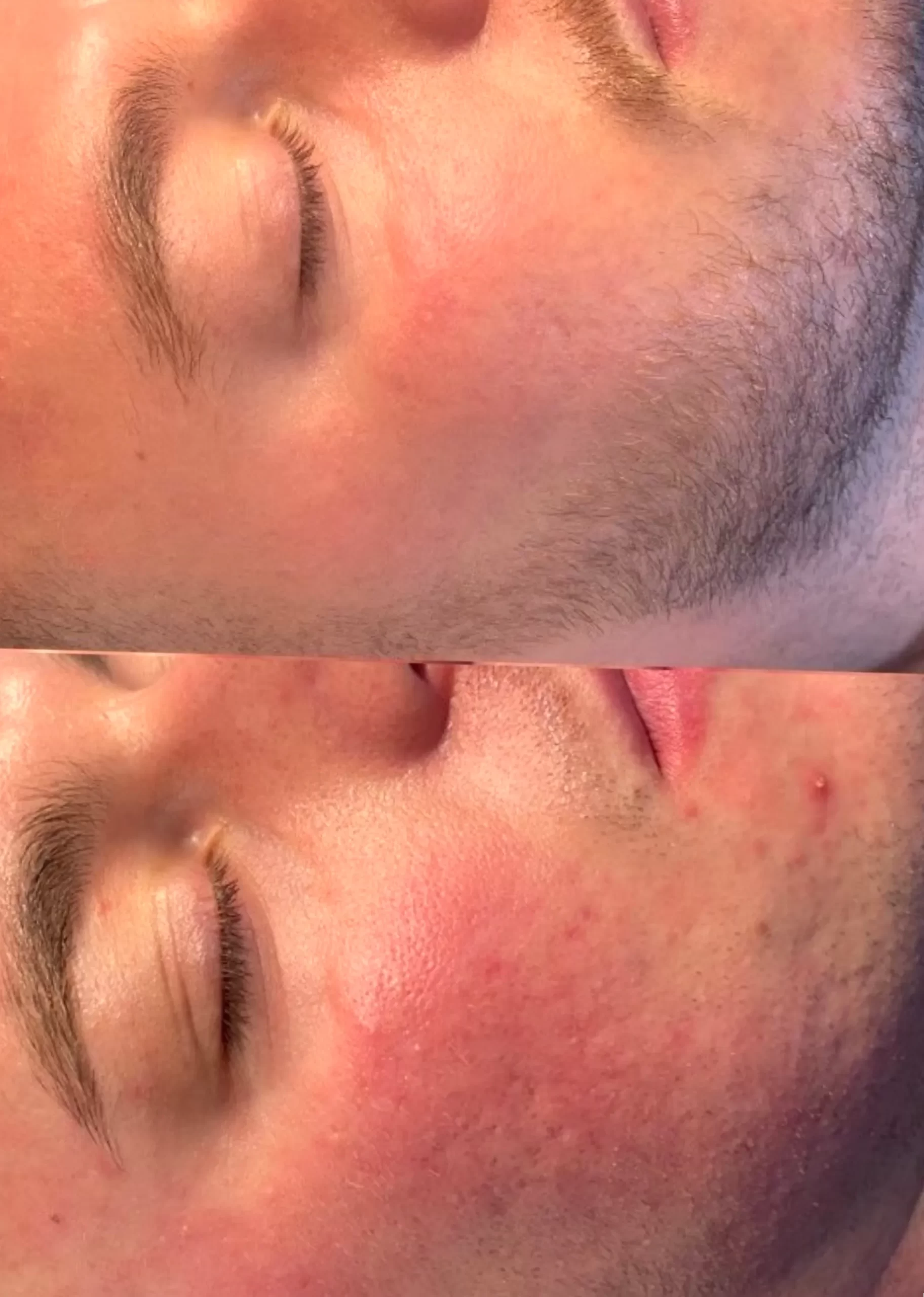
Your skin is always changing, repairing and adapting, but every skin concern has its own timeline. Whether you’re dealing with fine lines from ageing, clogged pores from congestion, or dark spots from UV rays, here’s a realistic rundown:
Skin Improvement Timeline Guide (Average Ranges)
Skin Improvement Timeline Guide (Average Ranges)
| Skin Concern / Goal | Typical Time To See Improvement | Why This Range Exists |
|---|---|---|
| Hydration + Glow | 1–4 weeks | Hyaluronic acid and barrier repair boost hydration quickly. |
| Texture + Congestion | 4–8 weeks | Cellular turnover needs several cycles to smooth skin texture. |
| Acne Breakouts | 8–12 weeks | Salicylic acid, glycolic acid, and prescription medication take time to settle inflammation. |
| Pigmentation / Dark Spots | 8–16 weeks | Vitamin C serums, sun protection, and reduced UV rays must work consistently. |
| Fine Lines + Collagen | 12–24 weeks | Collagen stimulation happens slowly through skin needling in Brisbane, retinol, or targeted cosmetic treatments. |
| Barrier Repair | 2–12 weeks | Irritants must be removed and hydration restored before deeper treatments resume. |
Treatments and How Quickly They Deliver Results
Every treatment has its own pace, which is essential to know before getting started. Rather than expecting miracles overnight, I tell clients that it’s about choosing the right treatment that helps their skin perform at its best over the long term. There’s no one-size-fits-all solution for skincare, and I always remind clients that the proper treatment isn’t just about speed; it’s about being gentle on your skin.
When You Need a Professional Facial
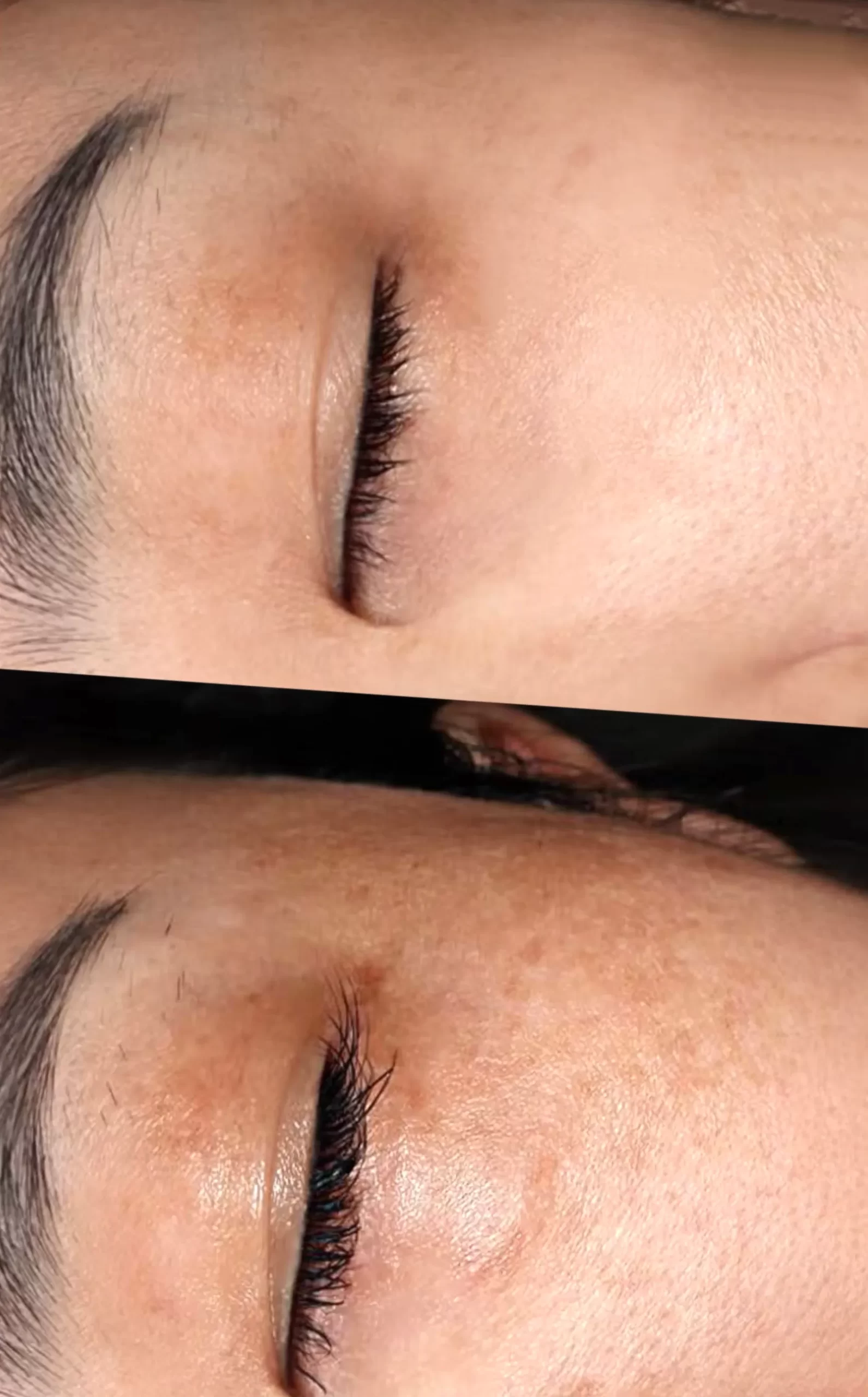
Getting a facial can do wonders for your skin – it helps keep your skin hydrated, gets the blood flowing & helps your lymph system work properly. Most people notice a big difference in their skin within 24 hours – and things just keep getting better from there.
First-time clients at The Facial Hub in Brisbane are often amazed by how calm their skin is, even when we’re doing more intensive work to address specific problems.
Dermaplaning: A Great Option for Build-up and Fuzz
Dermaplaning in Brisbane is one of the treatments I recommend to remove dead skin cells & the fine hairs that can leave your skin looking dull. It’s super gentle, even on acne-prone skin, and results are instant – but it’s also one of those treatments where the real benefits start to show up over 4 to 6 weeks with regular sessions.
Microdermabrasion: Good for Fine Lines & Texture
Treatments like microdermabrasion at The Facial Hub are great for people who are just starting to notice fine lines, a bit of texture, or mild scarring. You’ll begin to see an improvement in brightness pretty quickly, but it takes a few sessions to really make a noticeable difference.
Skin Needling: Inducing Collagen & More
Collagen-induction therapy is basically my go-to for more serious skin issues like deep wrinkles, skin that’s lost a bit of its firmness, and just generally looking tired. Most people start to see real improvements around week six, and with a bit of patience, it continues to improve for months to come.
Advanced Skincare Options
For some skin issues – like really stubborn pigmentation or hyperpigmentation that’s just not going away – I might recommend laser therapy or a more complex treatment plan. Now, these aren’t quick fixes, but they can be super helpful when combined with a good skincare routine and some consistency with sun protection.
Getting Your Skincare On Track
Let’s talk about some of the best active ingredients out there – in plain English.
Vitamin C: Brightening & Radiance
Vitamin C is a key ingredient for dark spots and uneven skin tone. You can expect to start seeing real results around week four, especially with a high-quality vitamin C serum.
Niacinamide: Soothing & Balancing
Niacinamide is effective for calming irritated skin, supporting a healthy skin barrier, and reducing redness. It’s super helpful for people with acne-prone skin or skin that’s super sensitive.
Retinol: Fine Lines, Wrinkles & More
Retinol is one of my favourite ingredients for tackling fine lines, uneven skin texture & all the other signs of getting older. It does take a bit of patience – 8 to 12 weeks at least – but trust me, it’s worth it.
Salicylic Acid: Clearing Clogged Pores
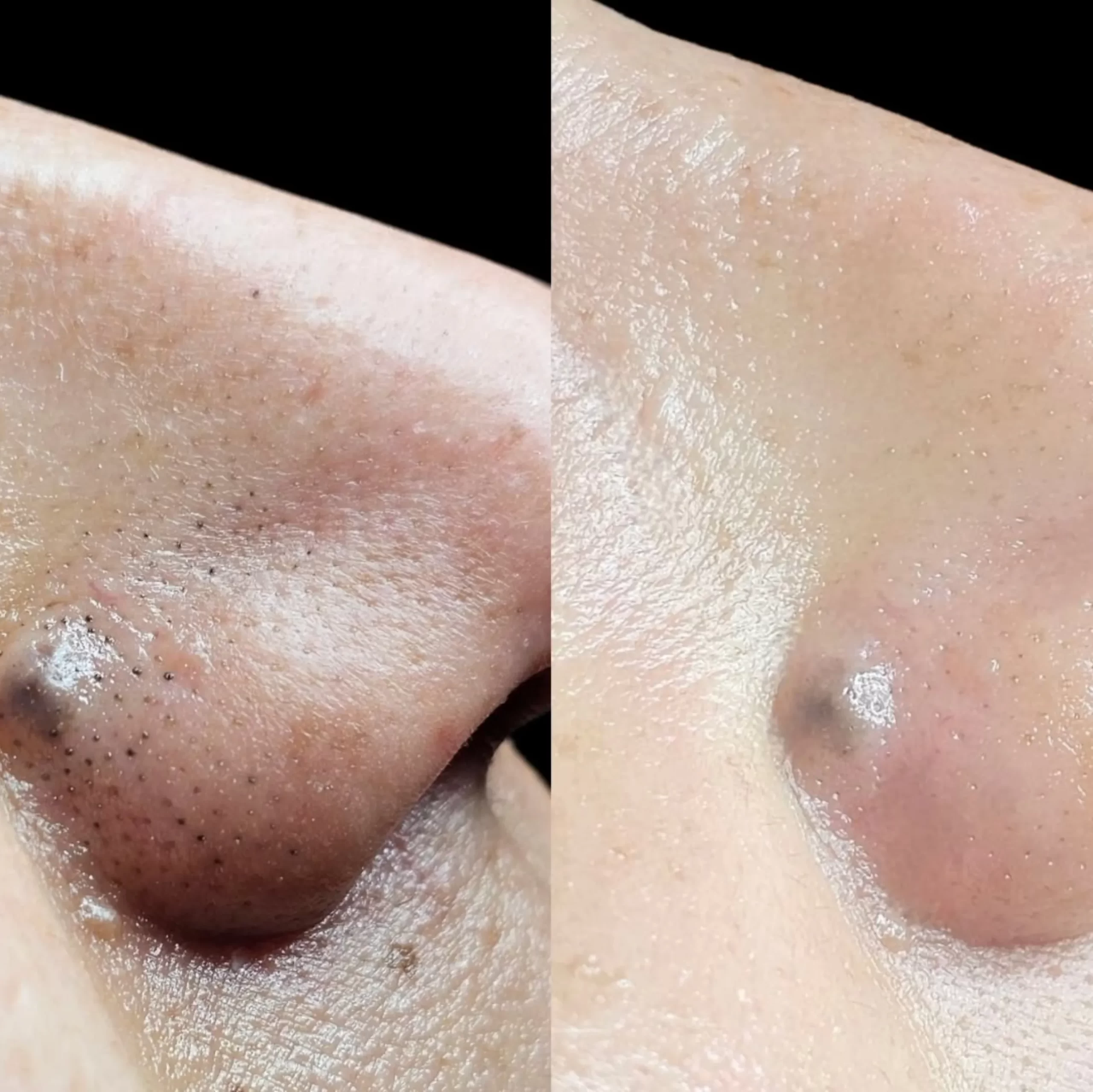
Salicylic acid works from the inside out to clear up blackheads & breakouts – it’s pretty fantastic stuff. It’s perfect for people who get regular breakouts.
Glycolic Acid: Exfoliating & Brightening
Glycolic acid is a natural exfoliant that helps smooth out rough skin texture & even out your skin tone over time.
Hyaluronic Acid: A Hydration Boost
Hyaluronic acid is basically a miracle worker when it comes to keeping your skin hydrated – whether you live in Brisbane’s humid climate or Melbourne’s chilly winters.
Your Environment Matters More Than You Think
Australian skin is exposed to intense UV radiation 365 days a year. Without proper sun protection, those fine lines deepen, dark spots recur, and collagen breaks down much faster. A 2026 dermatology review found that UV exposure can delay skin pigmentation correction by up to 40%. That’s precisely why sunscreen is essential for all skin treatments.
And yes, even natural remedies won’t cut it if you’re not taking care of yourself with sun exposure, sleep, and stress.
Humidity in Brisbane can be a real bugbear if you’ve got acne-prone skin, while Melbourne’s dryness can leave your skin feeling parched and dehydrated. Just as you change your wardrobe to suit the climate, you should adjust your routine too.
A Holistic Look at Healing Timelines
Skin doesn’t transform on products alone. Healing depends on sleep, stress, nutrition, intrinsic changes like hormonal shifts, and your commitment to consistency.
What speeds up results:
- Gentle facial massage
- Using the right active ingredients
- Consistent sunscreen protection
- Avoiding over-exfoliation
- Balancing stress where possible
- A tailored treatment option based on skin needs
- Support from a dermal team or a medical doctor when needed
What slows them down:
- Chronic UV exposure
- Skipping hydration
- Harsh exfoliating routines
- DIY trends that disrupt your barrier
- Relying only on natural remedies without science-backed ingredients
Healthy skin is always a partnership — you, me, and your daily habits working together.
How Much Should You Budget for Real Skin Change?
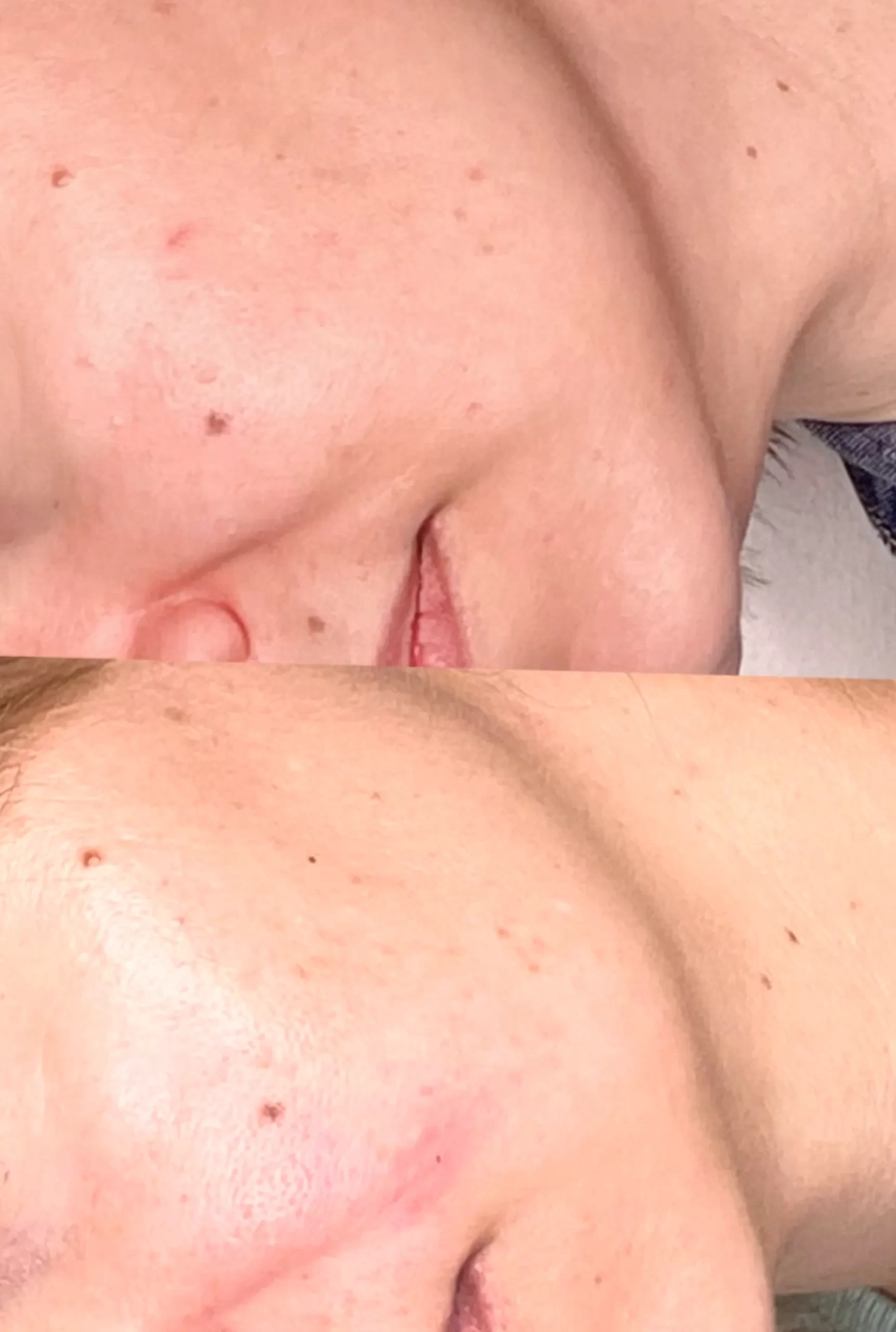
Expect to put your money into:
- Monthly skin treatments
- Building a targeted skin care routine that really works for you
- Optional medical-grade treatments that can really give you that boost
- Seasonal updates and the occasional cosmetic treatment
- Long-term plans for scar management or post-surgical skincare, if you need it
You don’t need to throw money at it – just get the right things.
How I Know Your Skin Will Change
Because I’ve been through all the struggles myself – hormonal changes, skin stress during fertility challenges and my own journey towards healing. And because I’ve seen thousands of clients transform their skin when they finally get what it needs – clarity, nourishment, and consistency.
Your skin isn’t being stubborn – it’s just trying to tell you something.
FAQ
Can my skin really improve in a week?
You can see surface changes such as hydration, glow, and texture improvement within a week, especially with hyaluronic acid, gentle exfoliation, and a bit of facial massage.
Why did my skin get worse after I started using new products?
It’s probably just a skin cell turnover (purging) or irritation. Purging usually resolves within 4-6 weeks; irritation will only worsen over time. If you’re not sure, grab a chat with your dermal team.
Do cosmetic treatments like needling or laser give you faster results?
They can speed up results, especially for fine lines, texture, and dark spots. But they only work best when you’ve got your routine and sun protection sorted.
How long does it take to fade dark spots?
8-16 weeks with Vitamin C, sun protection, glycolic acid, or dermatological treatment – it all depends on how deep they are and how much UV exposure you’ve had.
What’s the quickest way to improve my skin?
Using daily sunscreen, a simple routine with targeted active ingredients, regular hydration and reducing free radical exposure. That’s all it takes to start transforming your skin in weeks.