
So you’ve been wondering how long tattoos on hands last? You’re not alone. Hand tattoos are stunning, symbolic and bold — but they come with their own set of challenges when it comes to longevity. As Olha Po, I’ve worked with clients in Brisbane who’ve asked this very question, and it’s one of those things that deserves an honest, no-nonsense answer. Hand tattoos look amazing, but their staying power isn’t the same as tattoos on less exposed parts of the body.
Hands are workhorses. They’re exposed to sunlight, water, cleaning products, constant motion and friction every single day. All of this affects how tattoo ink heals and holds over time. In this guide, we’ll break down what actually happens with hand tattoos, why they fade faster and what you can do to keep them looking fresh for as long as possible — whether you’re considering finger tattoos, fine line tattoo, geometric tattoo designs or tiny tattoos.
Contents
- 1 Why Ink on Hands Fades Faster
- 2 The Average Lifespan
- 3 Factors That Affect Tattoo Longevity
- 4 Healing Stages: What to Expect Week by Week
- 5 Prep Before Getting a Hand Tattoo
- 6 Aftercare That Extends Tattoo Lifespan
- 7 The Truth About Touch-Ups
- 8 Myths About Hand Tattoos
- 9 Real Client Stories from the Studio
- 10 Tattoo Machines, Techniques, and Longevity
- 11 2025 Trends: Are Hand Tattoos Still Cool?
- 12 Final Thoughts
- 13 FAQ
Why Ink on Hands Fades Faster
Think about how many times you wash your hands, touch surfaces or expose them to the sun — probably dozens of times a day. Unlike areas that are covered by clothing, hands are constantly facing environmental wear and tear. This makes them one of the toughest spots for tattoo longevity.
Tattoo pigment sits in the dermis layer of the skin. On the hands, that layer is thinner and more mobile, so the ink doesn’t anchor as deeply or as consistently. Add in friction from things like writing, lifting weights, or even just carrying groceries, and the tattoo starts to blur and fade sooner than, say, your upper arm.
The Average Lifespan
So let’s get practical: how long can you expect a hand tattoo to last before it needs touch-ups? While there’s no universal expiry date, here’s what most clients experience:
| Tattoo Age | Typical Appearance |
|---|---|
| 0–6 months | Fresh, crisp lines, vibrant colour — tattoo healing still underway |
| 6–12 months | Minor fading, especially in high-friction spots (knuckles, fingers) |
| 1–3 years | Noticeable blurring, softer definition, lighter colour overall |
| 3–5 years | Significant fading; tattoos may look patchy or uneven |
| 5+ years | Many require touch-ups or reworking to maintain clarity |
In Brisbane’s sunshine, UV exposure can speed this up. A 2022 study on tattoo fading found that areas exposed to direct sunlight daily (like hands and necks) fade up to 40% faster than covered areas. That’s a big difference compared to a rib or thigh piece.
Factors That Affect Tattoo Longevity
- Tattoo Placement: Finger tattoos and knuckles fade fastest due to constant movement and friction. Back of the hand holds better, but still fades quicker than the forearm.
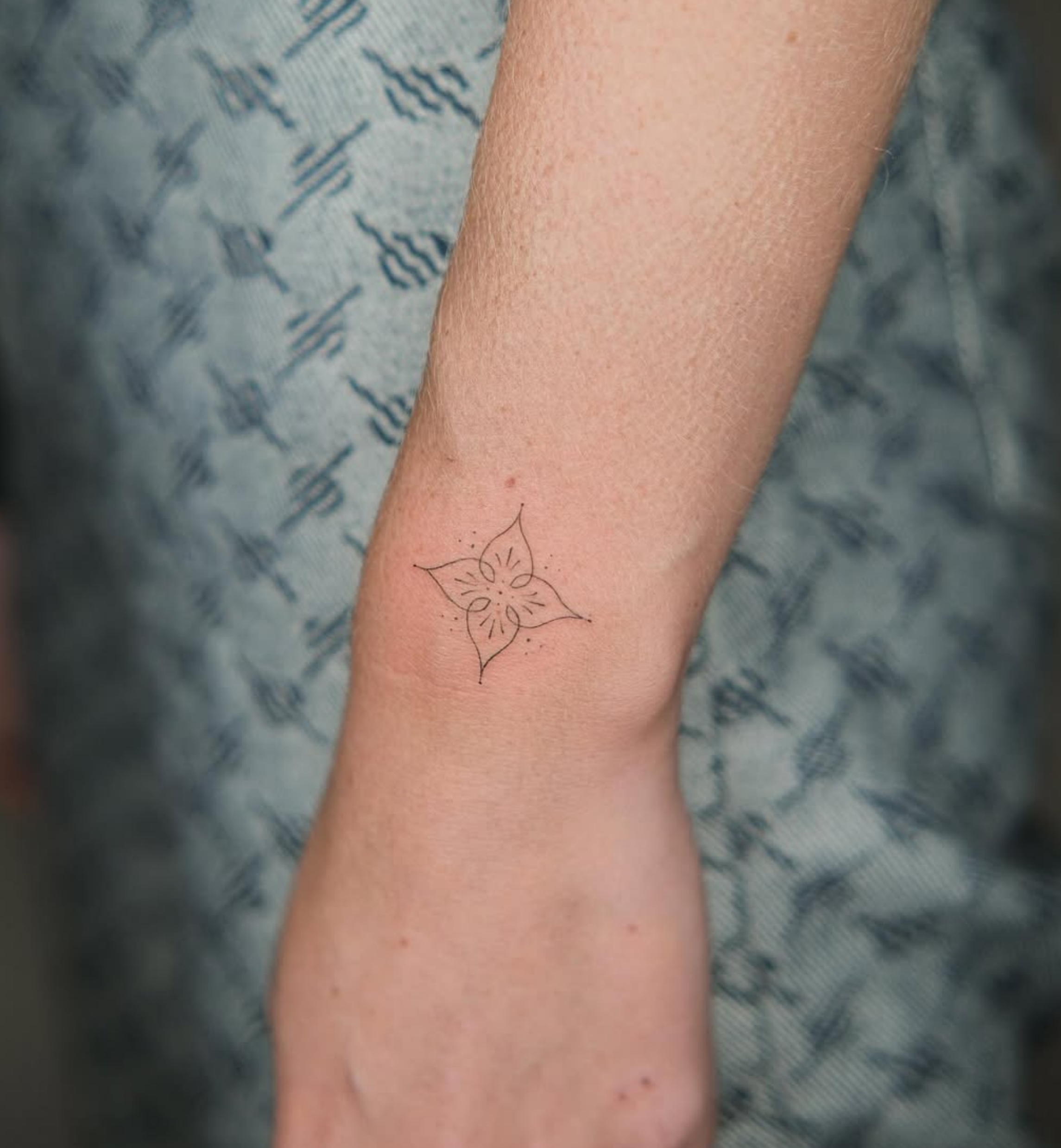
- Tattoo Design: Bold, simple tattoo styles with solid lines last longer than intricate, fine-line tattoos.
- Tattoo Ink Colour: Black ink is the most stable; pastel and lighter shades fade much faster.
- Skin Type: Oily or dry skin on the fingers can affect healing and pigment retention. Skin regeneration in thinner areas can reduce clarity.
- Lifestyle: Outdoor work, swimming, weightlifting or frequent cleaning all add to the risk of fading.
- Tattoo Aftercare: Proper tattoo care during the healing process — especially the first two weeks — makes a huge difference.
Healing Stages: What to Expect Week by Week
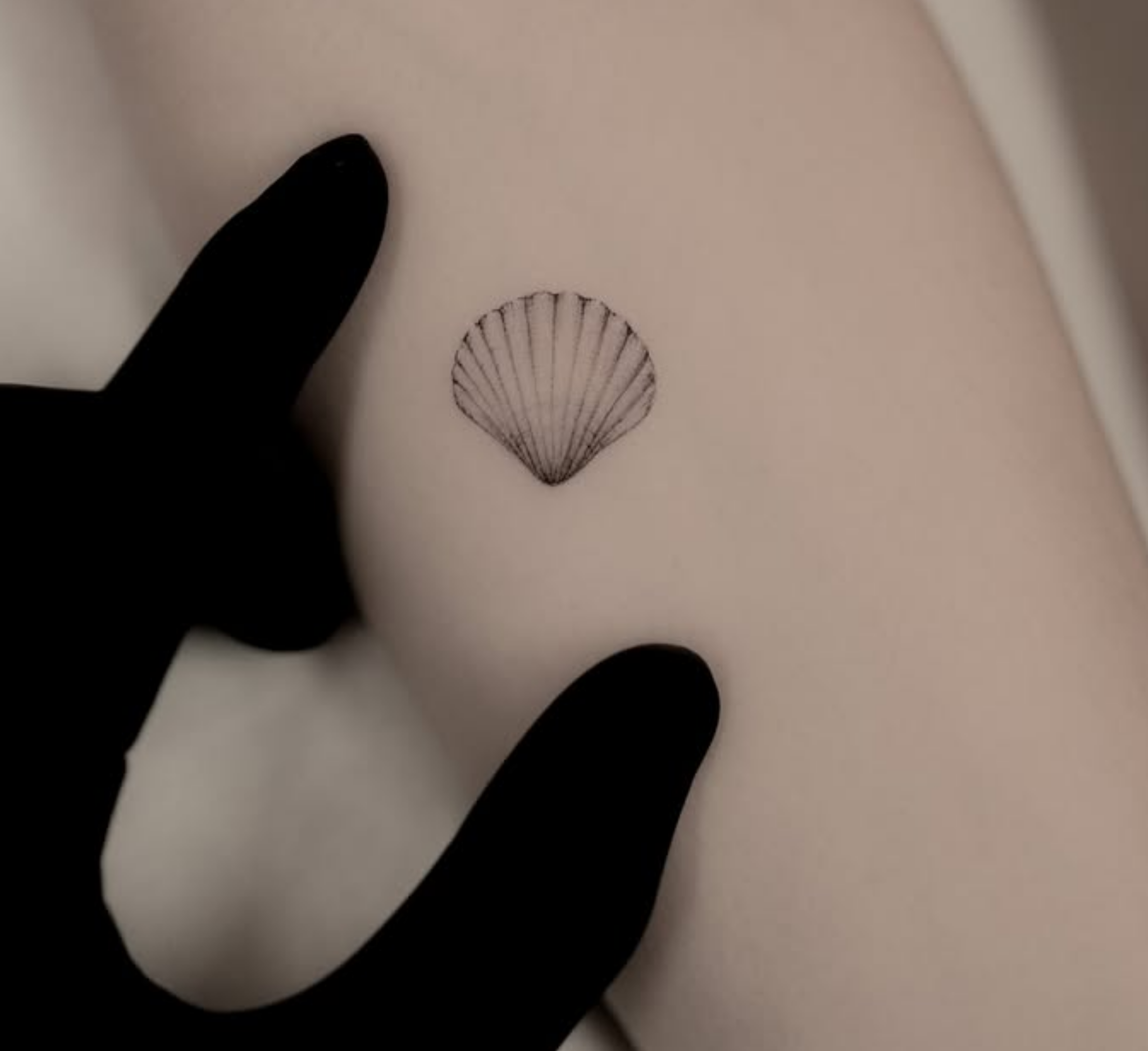
Healing is where the foundation for tattoo longevity begins. Here’s the typical tattoo healing timeline clients go through with hand tattoos:
- Week 1: Redness, swelling and peeling start. The tattoo may look patchy as scabs form.
- Week 2: Scabs fall off; colour may look dull or cloudy (the “milky phase”).
- Week 3-4: Skin regeneration continues; tattoo settles, lines sharpen slightly.
- 1-3 months: Tattoo looks healed on the surface, but deeper healing continues.
- 6 months: Full healing cycle complete — tattoo has stabilised in the skin.
Fun fact: many clients freak out in week two, thinking the tattoo is “fading” already. It’s usually just the cloudy healing stage — patience is key.
Prep Before Getting a Hand Tattoo
- Moisturise your hands for at least a week before your tattoo session — hydrated skin accepts ink better.
- Don’t tan or get sunburned before your first tattoo.
- Don’t book if you’ll be swimming or travelling straight after — you need proper healing time.
- Consider your daily hand use — if you work with harsh chemicals or wash your hands constantly, be realistic about fading.
Aftercare That Extends Tattoo Lifespan
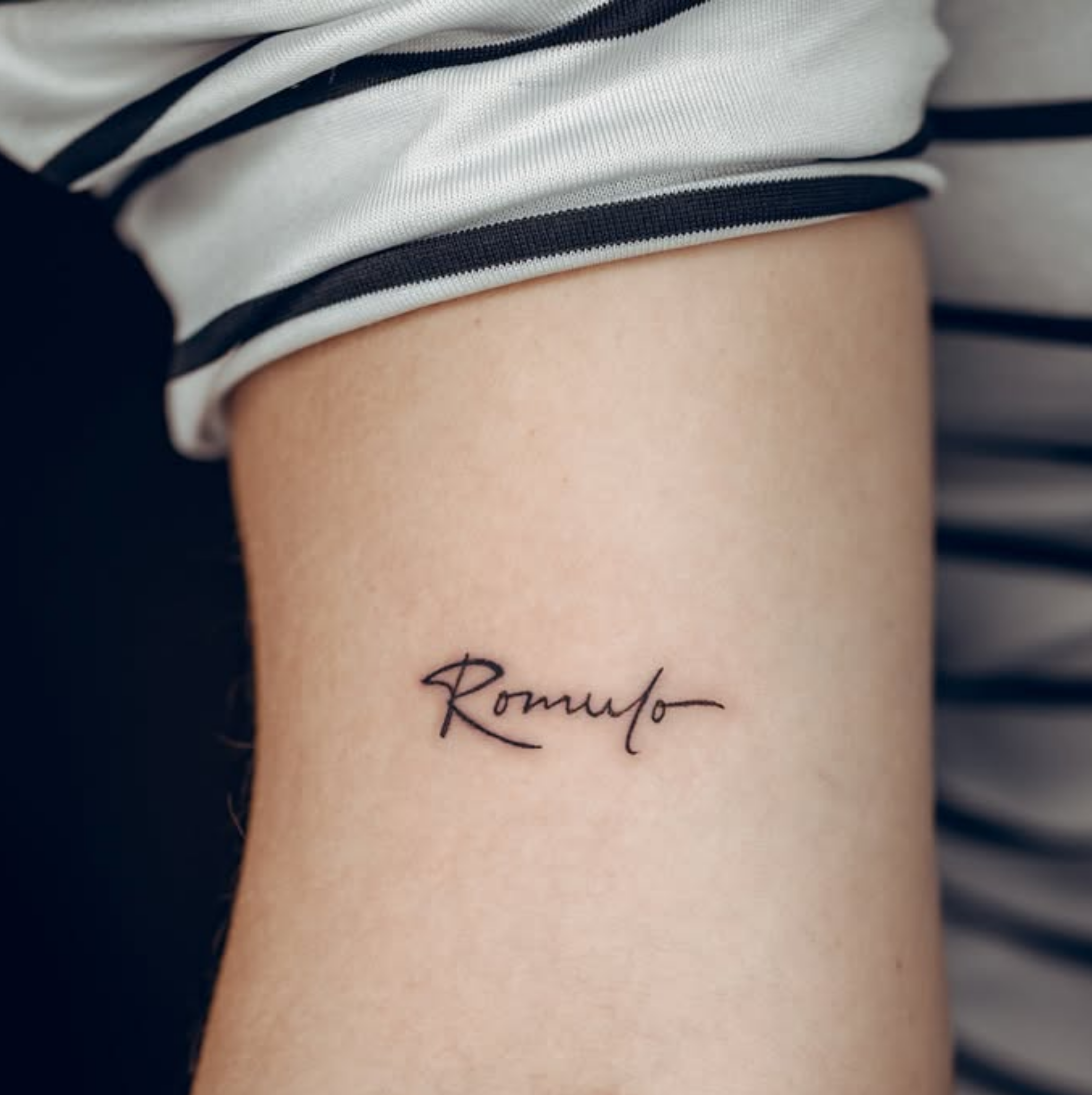
Caring for your hand tattoo in the first few weeks is the difference between crisp lines and patchy pigment. Our go-to tattoo aftercare tips are:
- Wash hands gently with fragrance-free soap, pat dry.
- Apply a thin layer of tattoo balm (not petroleum jelly, which clogs pores).
- Keep hands out of direct sunlight while healing.
- Don’t submerge in water (pools, baths, ocean) for at least 2 weeks.
- Don’t pick scabs — it can pull pigment out and cause patchy spots.
Long term, sunscreen is your best friend. A 2025 skincare survey found 68% of Aussies who applied SPF daily had significantly less tattoo fading compared to those who didn’t bother.
The Truth About Touch-Ups
Even with the best care, hand tattoos usually need touch-ups more often than tattoos on other areas. Many artists recommend planning for a touch-up within the first 1-2 years, especially for finger tattoos. Touch-ups can re-darken faded lines, add missing colour and keep the tattoo looking intentional instead of patchy.
In Brisbane, touch-ups can cost anywhere from $100 to $300, depending on tattoo design and size — something to budget for if you’re serious about long-term results.
Myths About Hand Tattoos
- Myth: Hand tattoos always blow out.
Truth: While blowouts are more common, a skilled tattoo artist using the right tattoo machine depth can minimise the risk. - Myth: They’ll disappear in a year.
Truth: Most will still be visible but softer and faded. It’s rare for a hand tattoo to “vanish” entirely unless the ink was poorly applied. - Myth: Only thick designs last.
Truth: Bold tattoo styles do hold better, but fine-line tattoos can still age well if maintained properly.
Real Client Stories from the Studio
In our Brisbane tattoo shop, we’ve seen every type of hand tattoo journey. One client, a barista, came back after a year with her finger tattoo softened but still visible — she wears gloves daily, which helped. Another client, a landscaper, needed a touch-up at 8 months because sun and soil exposure faded the ink quickly. These examples show how lifestyle affects tattoo longevity.
Tattoo Machines, Techniques, and Longevity
The type of machine used can make a difference. An electric machine gives consistent depth, but in experienced hands, a stick and poke or hand poke tattoo can look great. That being said, hand tattoos done with a tattoo needle during a professional tattoo session will last longer than an amateur hand poke tattoo.
Some clients come in asking about tiny tattoos or geometric tattoos on their fingers. We explain that while they look great initially, tattoo placement on thin skin means more frequent touch-ups are needed. If you want durability, larger, bolder tattoos on the back of the hand hold up better.
At Cosmetic Tattoo Studio Brisbane Face Figurati, we’ve seen a growing demand for fine line tattoos on the hands. Our fine line tattooist team explain that while a fine line tattooing style looks elegant, it requires precise skill to withstand the heavy wear of the skin on the hand.
Many of our artists have completed advanced training, including a fine line tattoo course, to ensure clients get results that are delicate yet durable.
2025 Trends: Are Hand Tattoos Still Cool?
Hand tattoos are one of the fastest-growing requests in Australia. According to a 2025 body art industry survey, 31% of clients under 35 are interested in visible tattoos on hands or necks – up from 22% three years ago. Social media is fueling this trend, but so is the shift towards workplaces being more accepting of visible ink.
Final Thoughts
So, how long do tattoos on hands last? Honestly, they’ll fade faster than other tattoo placements, but with the right prep, tattoo care and touch-ups, they can still look great for years. Whether you’re after finger tattoos, fine line tattoos, or even a bold geometric tattoo design, the key is knowing what to expect. If you’re thinking of getting one, weigh the pros and cons, be realistic about the maintenance and choose a tattoo artist experienced with handwork.
Still unsure if a hand tattoo is worth it? Pop in to our Brisbane tattoo shop at Cosmetic Tattoo Studio Brisbane Face Figurati and we’ll chat about your tattoo appointment, design ideas, lifestyle and expectations. Better to go in informed than disappointed later.
FAQ
Do hand tattoos hurt more than other areas?
Yes — hands have more nerve endings and less padding, so the pain is sharper than in areas like thighs or arms.
Will my employer care if I get a hand tattoo?
It depends on your industry. Creative fields are more accepting, while corporate or customer-facing jobs may still have restrictions.
Can I get colour tattoos on my hands?
You can, but be aware that colours like yellow, pink and white fade faster on the hands than black or dark blue tattoo ink.
What if my hand tattoo fades unevenly?
That’s common. A tattoo session for a touch-up can even things out and bring back clarity.
Are hand tattoos safe long-term?
Yes, as long as you go to a licensed tattoo shop with proper hygiene, sterilised tattoo machines and safe tattoo needles. The main issue isn’t safety — it’s keeping the body art looking crisp over time.